Beginner Guides

Understanding AI Hallucinations: Why AI Makes Things Up

As AI systems become part of everything—from writing tools to search engines—one concern keeps resurfacing: AI hallucinations. These moments when an AI confidently generates false information aren’t just technical glitches; they reveal how large language models (LLMs) actually work under the hood. For creators, developers, and everyday users, understanding hallucinations isn’t optional. It’s the difference […]

Understanding AI Hallucinations: Why AI Makes Things Up Read More »
Understanding Model Parameters: 7B, 13B, 70B – What Do They Mean?

As AI models continue to shape how we work, create, and code, you’ll often see terms like 7B, 13B, or 70B included in model names. These numbers refer to the number of parameters—the internal “weights” a model uses to learn patterns and generate responses. But what do these parameter sizes actually mean for everyday users?

Understanding Model Parameters: 7B, 13B, 70B – What Do They Mean? Read More »

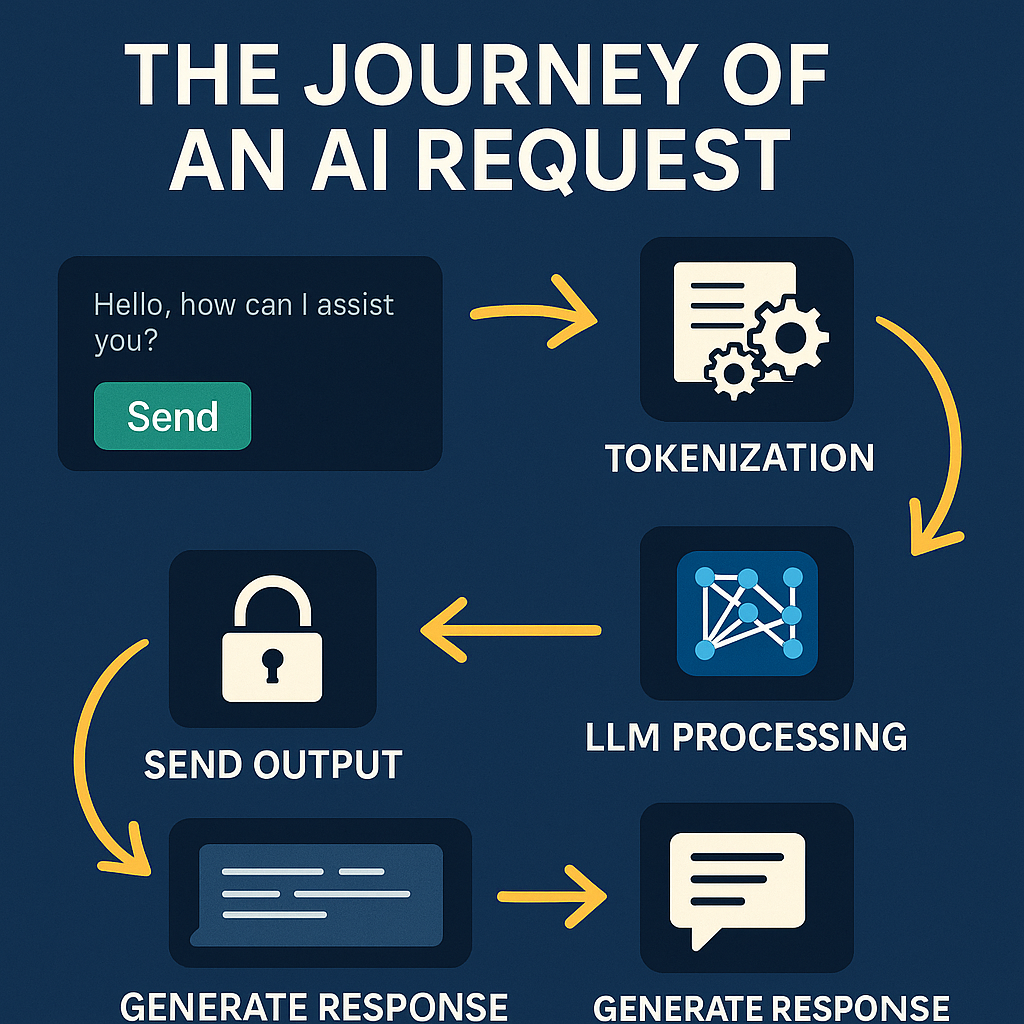
What Happens When You Hit ‘Send’? The Journey of an AI Request

When you type a prompt and hit enter, your words begin an intricate journey through layers of technology, computation, and intelligence. Understanding this process reveals both the remarkable engineering behind AI systems and practical insights for getting better results. The Moment of Transmission Your request doesn’t travel directly to an AI model. First, it passes

What Happens When You Hit ‘Send’? The Journey of an AI Request Read More »

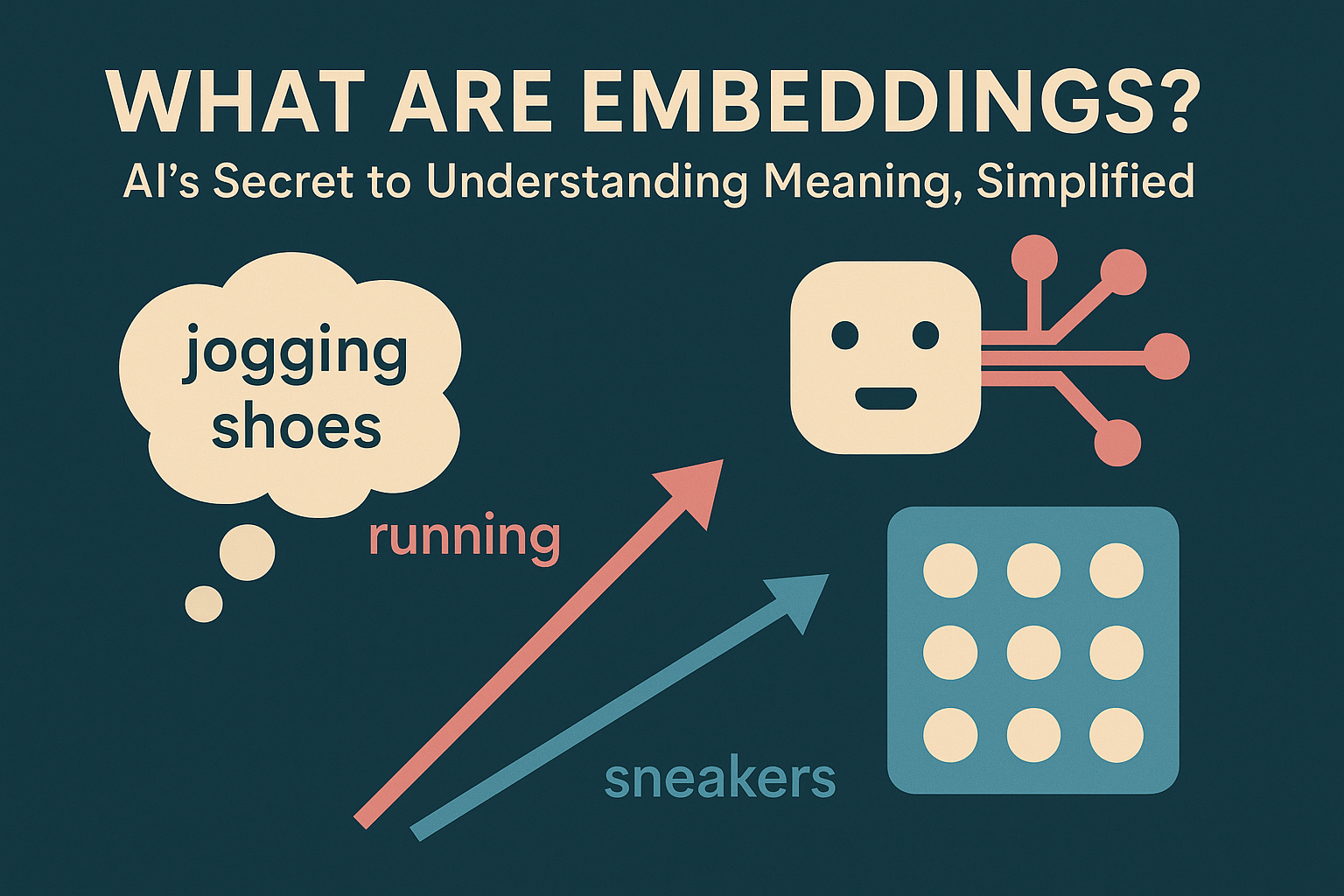
What Are Embeddings? AI’s Secret to Understanding Meaning, Simplified

When you ask an AI about “jogging shoes,” it often finds “running sneakers” too. That leap from words to meaning is powered by embeddings—mathematical vectors that map text (and increasingly images, audio, and code) into a shared space where similar ideas live near each other. If you’re new to the building blocks behind modern AI,

What Are Embeddings? AI’s Secret to Understanding Meaning, Simplified Read More »

Reading Your First AI Research Paper: A Beginner’s Strategy

Opening an AI research paper for the first time can feel overwhelming. Dense mathematical notation, unfamiliar terminology, and pages of technical details often discourage beginners before they even start. However, understanding research papers is an essential skill for anyone serious about working with AI. Fortunately, you don’t need a PhD to comprehend these papers. Moreover,

Reading Your First AI Research Paper: A Beginner’s Strategy Read More »

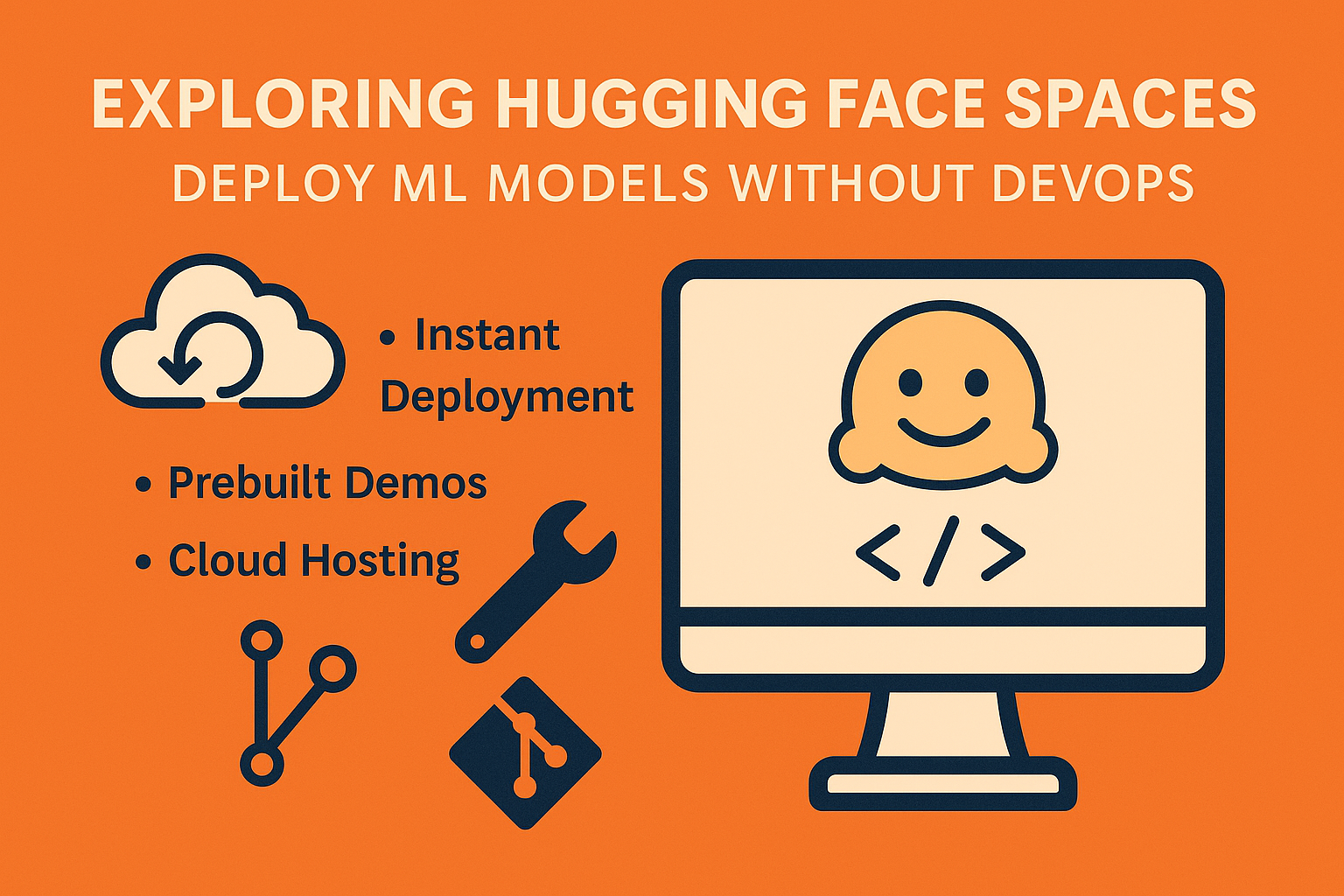
Hugging Face Spaces Tutorial: ML Deployment Made Simple

Deploying machine learning (ML) models used to mean wrestling with servers, Docker files, and DevOps pipelines. But with Hugging Face Spaces, that complexity disappears. You can now deploy, demo, and share your ML projects instantly—all from your browser. If you’ve ever wished for a simpler way to showcase your model, this platform might be your

Hugging Face Spaces Tutorial: ML Deployment Made Simple Read More »

Understanding Context Windows: Why ChatGPT ‘Forgets’ Things

If you’ve ever chatted with ChatGPT and thought, “Wait, didn’t I already explain that?” — you’re not alone.The reason isn’t that the model is being careless. It’s because of something called a context window — a built-in limit on how much the AI can “remember” during a conversation. In this post, we’ll break down what

Understanding Context Windows: Why ChatGPT ‘Forgets’ Things Read More »

Token Limits Demystified: How to Fit More Data into Your LLM Prompts

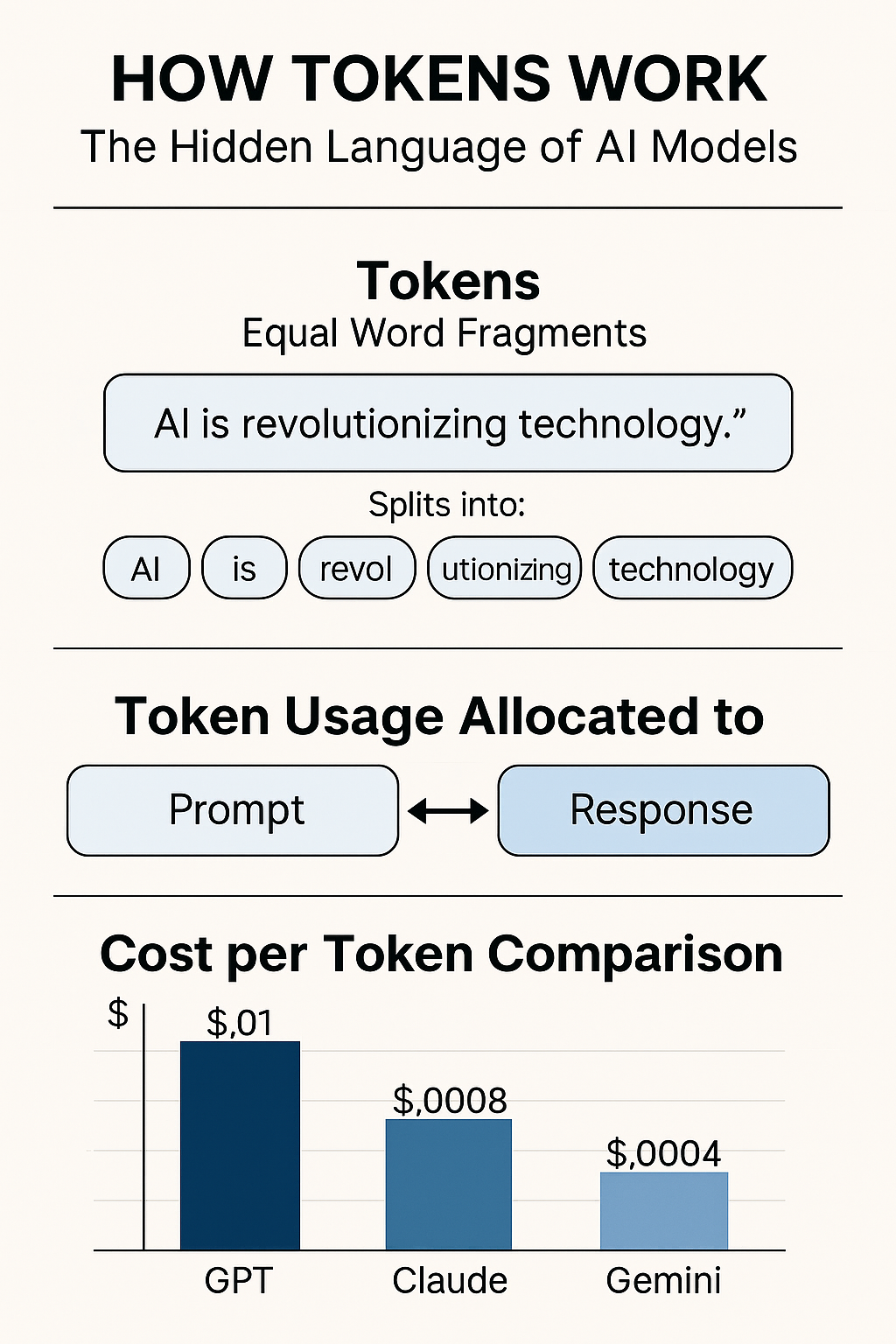
Ever wondered why ChatGPT or Claude sometimes cuts off your response, forgets context, or gives vague answers?It’s not magic — it’s tokens. In simple terms, tokens are the building blocks of your AI conversation.Understanding how they work can help you write better prompts, save costs, and get smarter, more focused outputs. Before we dive in,

Token Limits Demystified: How to Fit More Data into Your LLM Prompts Read More »

Introduction to LangChain Agents: Building Your First AI Workflow

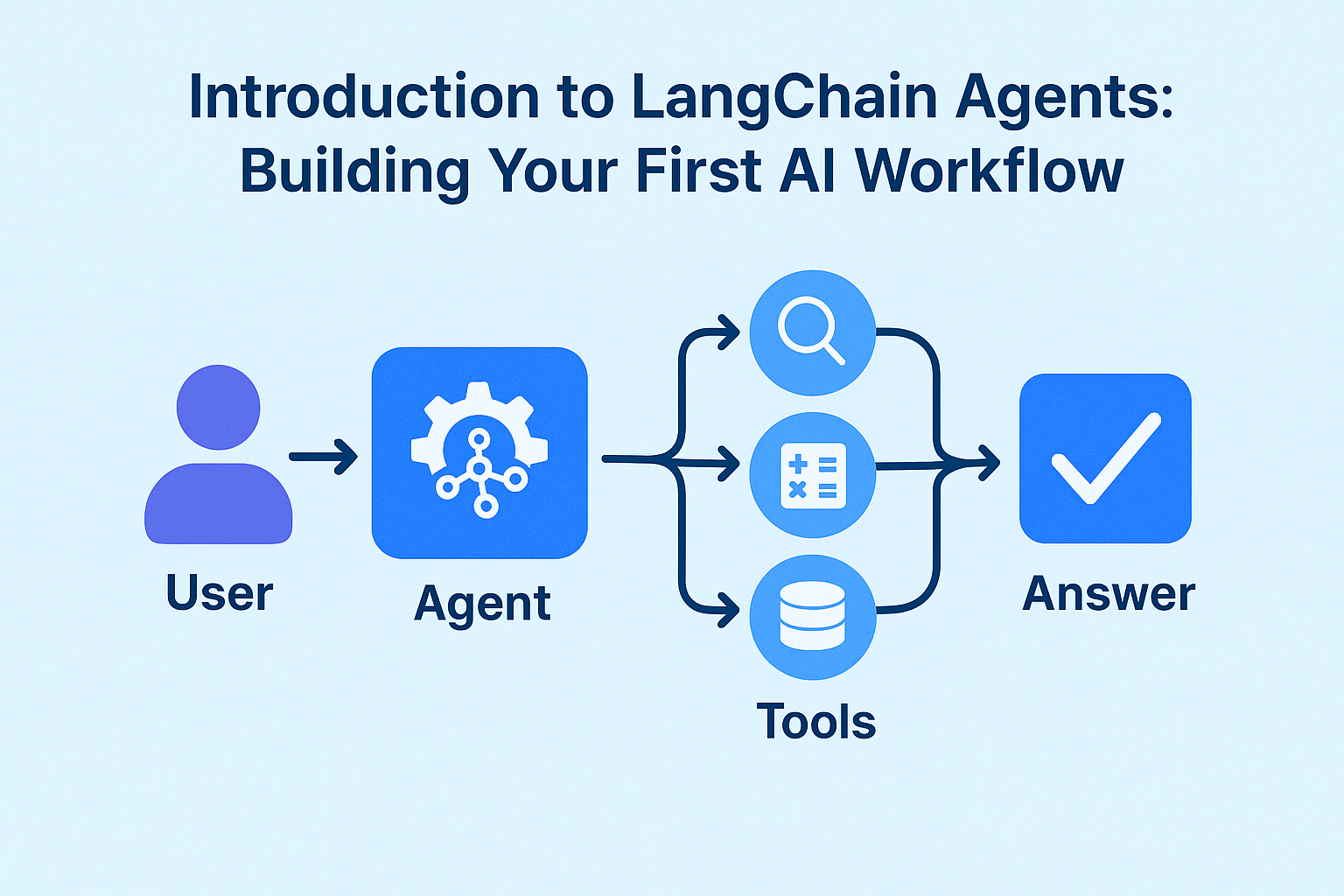
AI models like GPT, Claude, or Gemini are powerful, but they don’t automatically know how to act across tasks. That’s where LangChain Agents come in. Think of an AI model as an engine—fast and powerful, but it needs a driver and instructions. An agent is that driver, deciding: This makes LangChain Agents a practical way

Introduction to LangChain Agents: Building Your First AI Workflow Read More »