Prompt Enginnering

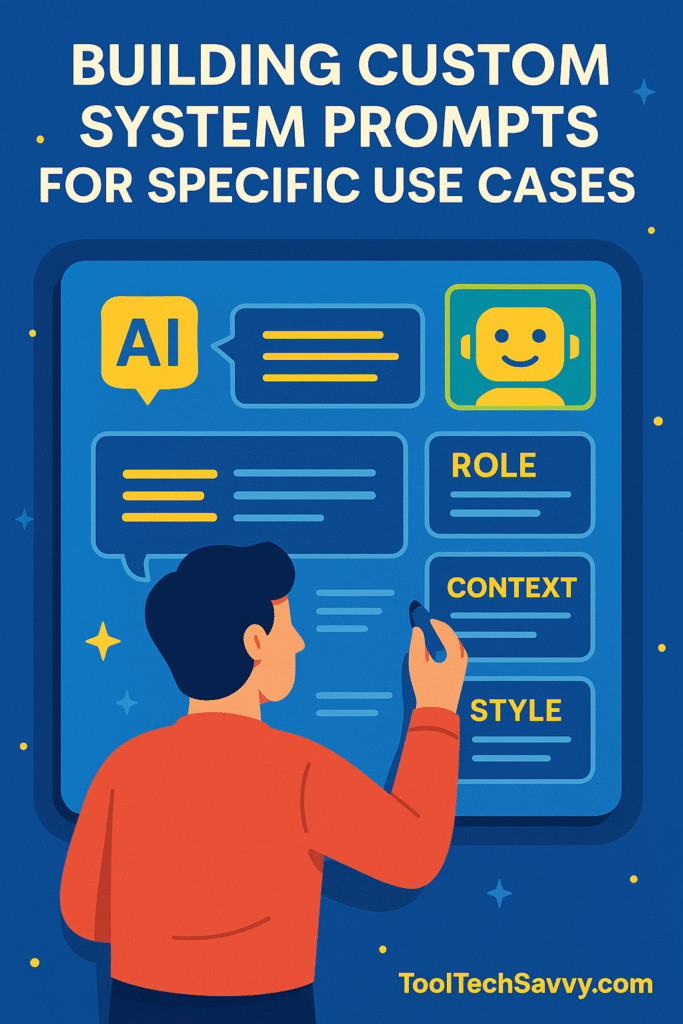
From Generic to Expert: How to Build Custom System Prompts for Precision AI

Most people focus on the user prompts — the instructions they type into ChatGPT, Claude, or Gemini.But behind every great AI app or agent is something even more powerful: a well-crafted system prompt. System prompts are the invisible guideposts that shape how your AI “thinks,” responds, and behaves.Whether you’re building a personal writing assistant (see […]

From Generic to Expert: How to Build Custom System Prompts for Precision AI Read More »
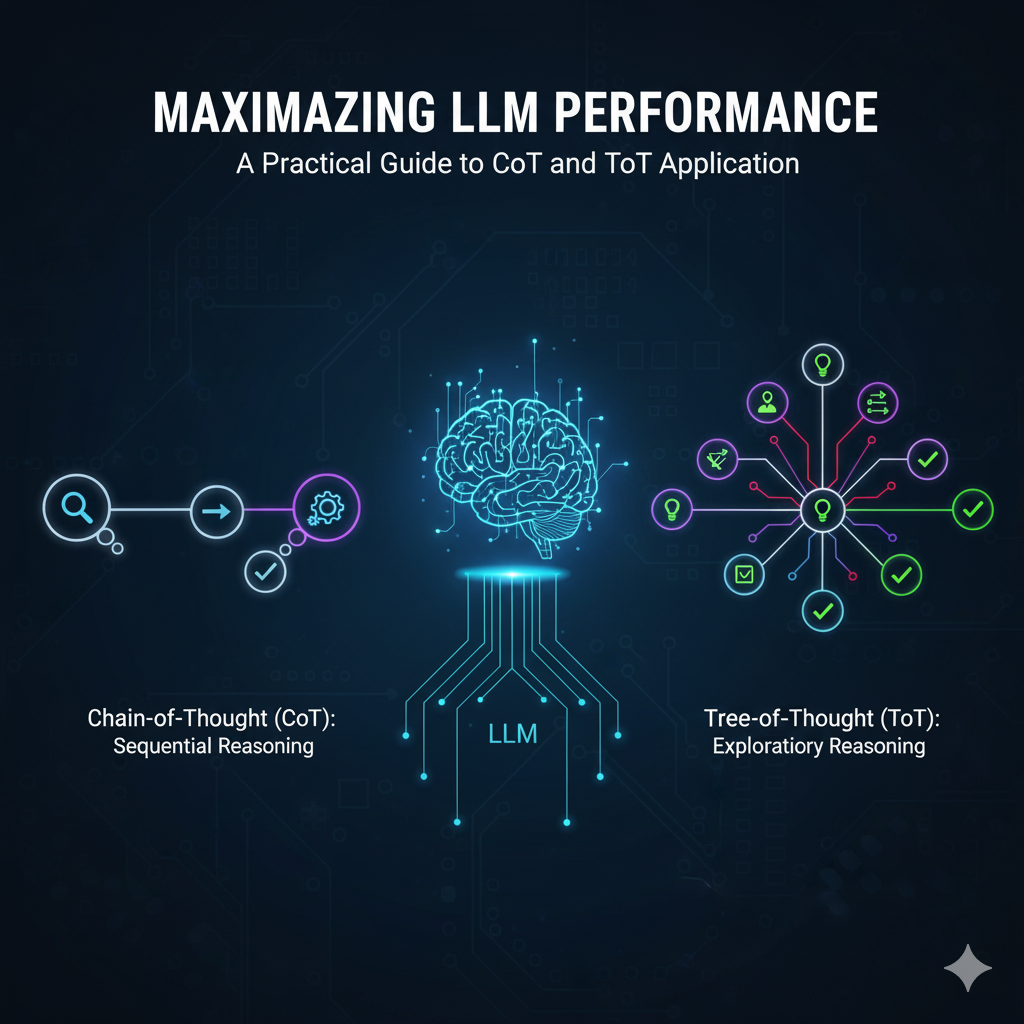
Maximizing LLM Performance: A Practical Guide to CoT and ToT Application

Prompting isn’t just about what you ask AI—it’s about how you think with it. As large language models (LLMs) like GPT-5, Claude Sonnet 4, and Gemini 2.5 evolve, prompting strategies are becoming the difference between average results and AI-level mastery. Two of the most powerful frameworks are Chain-of-Thought (CoT) and Tree-of-Thought (ToT). Both help AIs

Maximizing LLM Performance: A Practical Guide to CoT and ToT Application Read More »

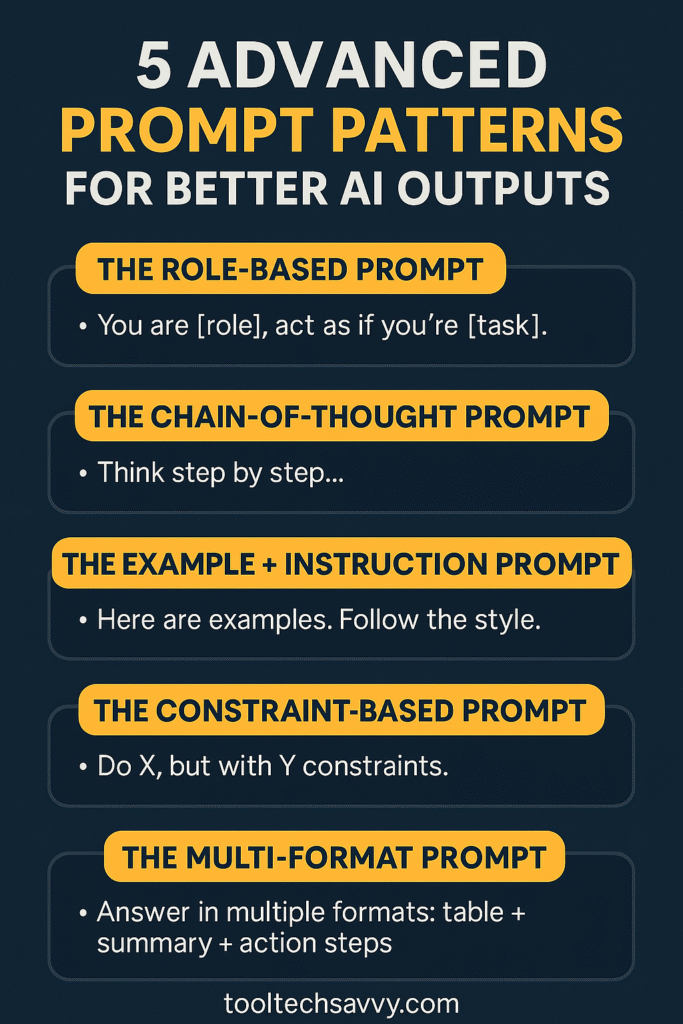
5 Advanced Prompt Patterns for Better AI Outputs

You’ve probably experienced this frustration: you ask an AI a seemingly simple question, and you get a response that’s vague, generic, or completely misses the mark. Meanwhile, you see others creating amazing content, solving complex problems, and getting incredibly precise results from the same AI tools. What’s their secret? It’s not about using different AI

5 Advanced Prompt Patterns for Better AI Outputs Read More »

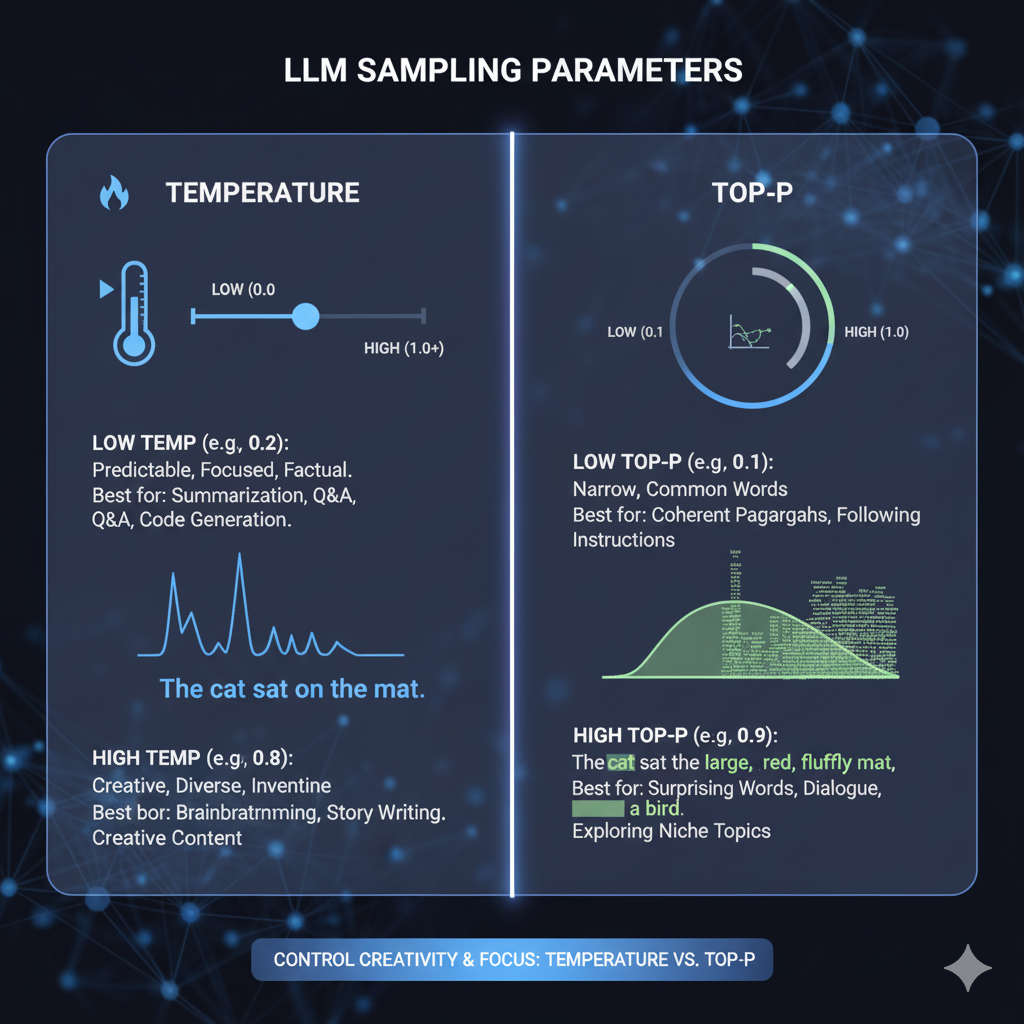
Temperature vs Top-p: A Practical Guide to LLM Sampling Parameters

When working with AI models like ChatGPT, Claude, or other large language models (LLMs), you’ve probably noticed settings called “temperature” and “top-p.” However, understanding what these parameters actually do—and more importantly, when to use them—can feel like deciphering a foreign language. In this comprehensive guide, we’ll break down these crucial sampling parameters in plain English.

Temperature vs Top-p: A Practical Guide to LLM Sampling Parameters Read More »

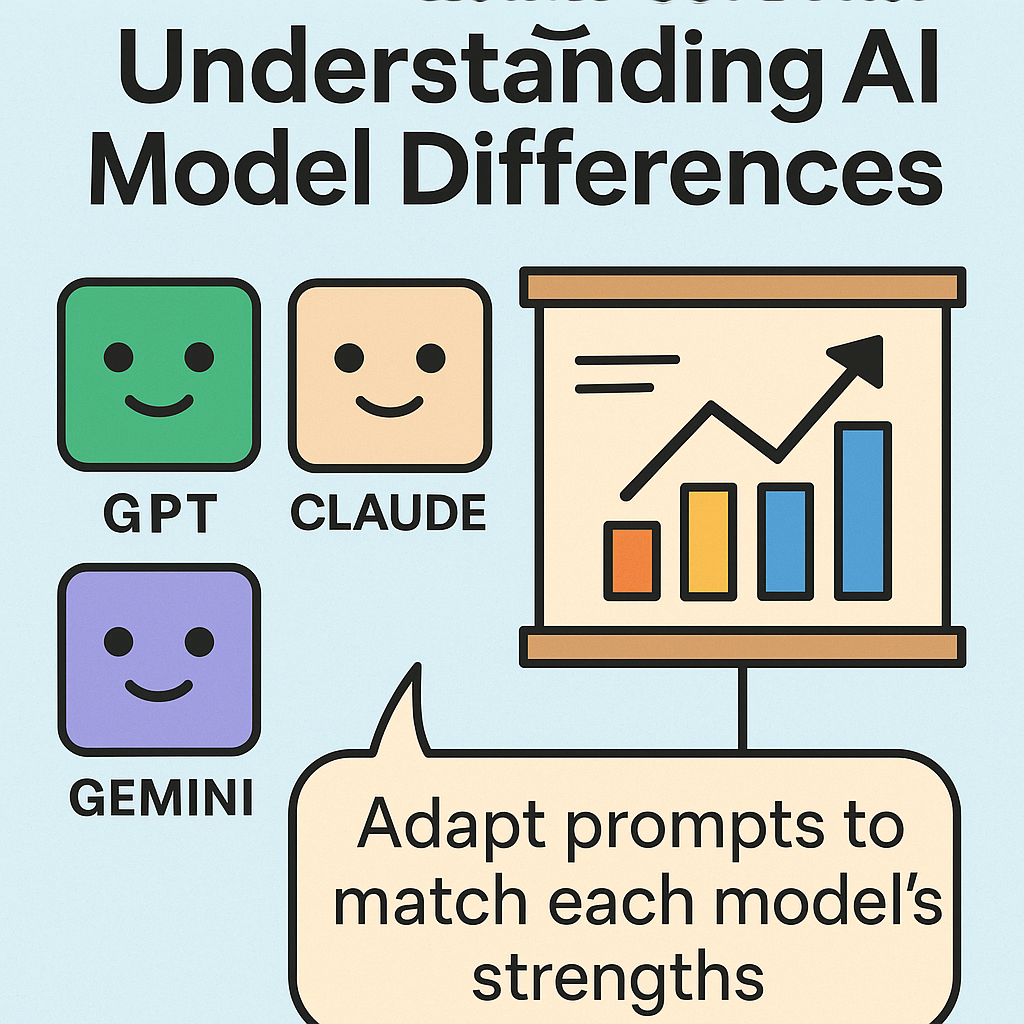
How to Get Better Results by Understanding AI Model Differences

If you’ve ever typed the exact same prompt into two different AI tools and received very different answers, you’re not alone. GPT, Claude, and Gemini often respond in ways that reflect their unique training, design, and guardrails. But this variation isn’t a weakness — it’s actually a strength. By understanding how different models work, you

How to Get Better Results by Understanding AI Model Differences Read More »

AI Coaching Made Simple: Daily Prompts for Growth

AI isn’t just for coding or writing anymore. In 2025, you can treat AI as your personal daily coach—guiding your learning, health routines, and habit building. The secret? Well-structured prompts. Instead of using AI for one-off tasks, you can design prompts that help you stay consistent, track progress, and get personalized feedback every day. 👉

AI Coaching Made Simple: Daily Prompts for Growth Read More »

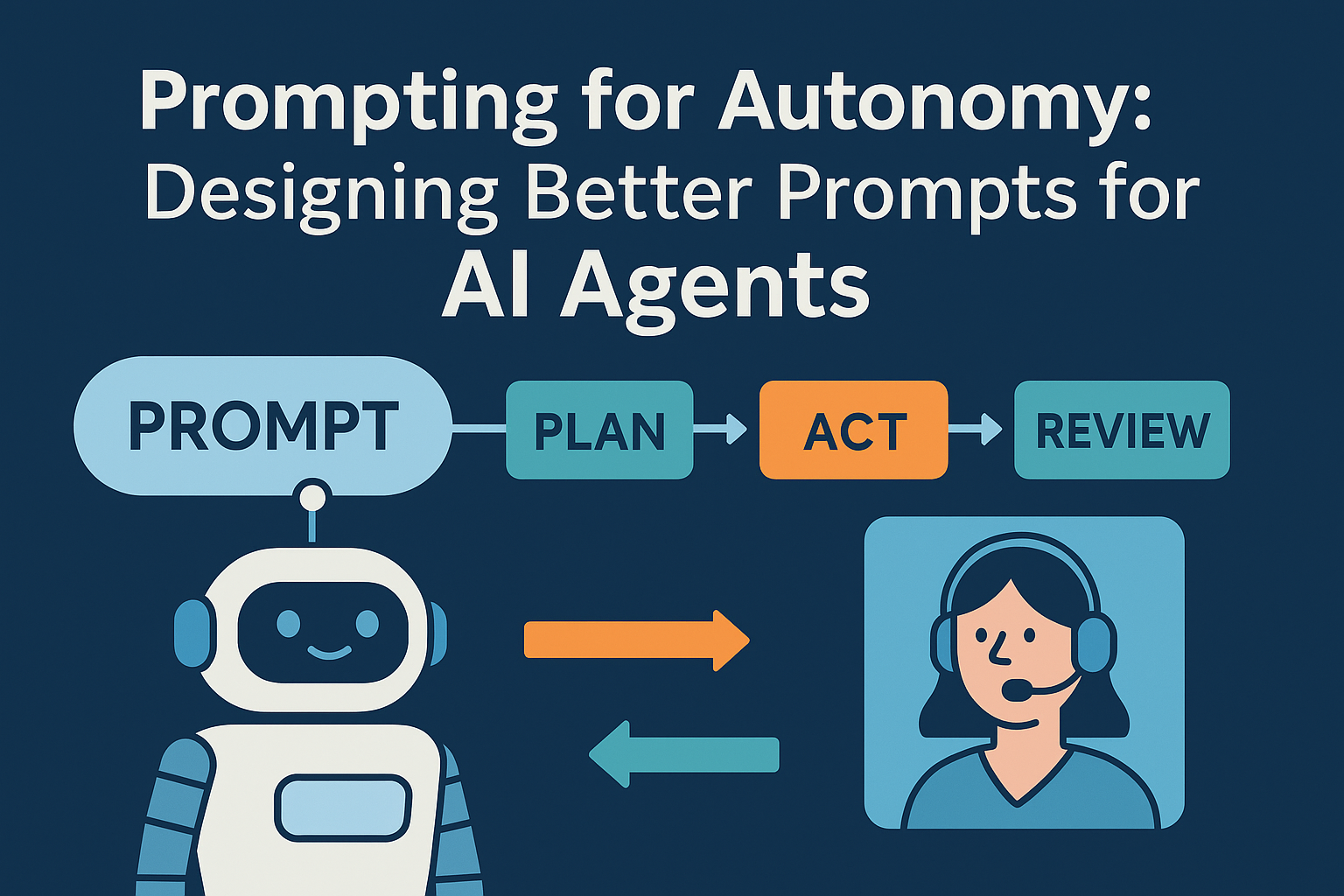
Prompting for Autonomy: Designing Better Prompts for AI Agents

Agentic AI is quickly becoming the next frontier — instead of passively answering questions, AI systems are learning to plan, act, and self-correct. But here’s the key: these agentic behaviors often start with how you design your prompts. In this post, we’ll explore prompting for autonomy — practical strategies to design prompts that encourage GPTs

Prompting for Autonomy: Designing Better Prompts for AI Agents Read More »