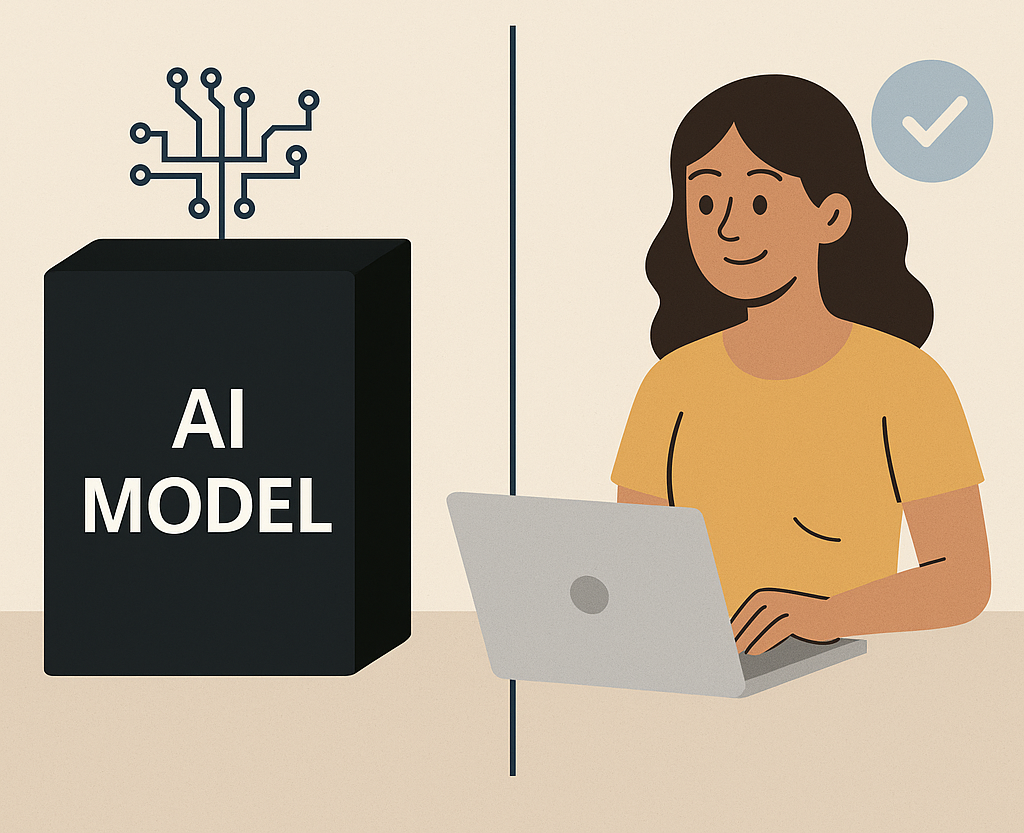
With AI models like GPT, Claude, and Gemini powering everything from chatbots to copilots, you might wonder: do you need to understand how AI architecture works to actually use it?
The short answer: no, you don’t need to be an engineer. But knowing the basics of AI architecture can help you make smarter choices, craft better prompts, and avoid frustration.
👉 Beginners can start with ChatGPT for Beginners: 7 Easy Ways to Boost Productivity with AI.
👉 For advanced users, explore 7 Proven ChatGPT Techniques Every Advanced User Should Know.
Why You Don’t Need Deep Technical Knowledge
- Just like you don’t need to understand how a car engine works to drive, you don’t need to understand transformers, embeddings, or neural nets to use AI tools.
- Most interfaces (like Notion AI or Google Gemini) are designed to be beginner-friendly.
- What matters most is learning how to communicate with AI effectively through prompts.
👉 Read: How to Use GPTs Like a Pro: 5 Role-Based Prompts That Work.
⚡ Why Basic Understanding Helps
That said, knowing the basics of AI architecture can give you an edge:
- Better prompts: Understanding that AI predicts the next word helps you avoid vague instructions.
- Right tool for the job: Knowing that Claude has longer memory vs. Gemini’s live data search helps you choose wisely.
- Realistic expectations: AI isn’t magic. It’s a pattern recognizer — so you’ll know when to fact-check.
👉 Guide: Beginner’s Guide to AI Terms You Actually Need to Know.
📚 A Simple Analogy
Think of AI architecture like a kitchen:
- GPT is like a chef who knows thousands of recipes.
- Claude is the chef who explains carefully and avoids risky dishes.
- Gemini is the chef who checks the latest food blogs while cooking.
You don’t need to know how ovens work to enjoy the meal — but understanding the chef’s style helps you order better.
When Deeper Knowledge Matters
- Developers creating custom AI workflows.
- Businesses choosing between open-source vs. closed-source tools.
- Researchers needing transparency or ethical guardrails.
👉 For workflows, see How to Build Complex Workflows with AI Copilots and Zapier.
Final Thoughts
You don’t need to be a machine learning expert to benefit from AI. What matters most is curiosity, experimentation, and consistency.
Learn just enough about AI architecture to understand the strengths of different models. Then, focus your energy on practical use cases — prompts, workflows, and tools that make your life easier.
👉 For balance, read How to Balance Creativity and Automation in the AI Era.