AI Tools

Scaling AI Efficiently: The Ultimate Guide to Production Cost Savings

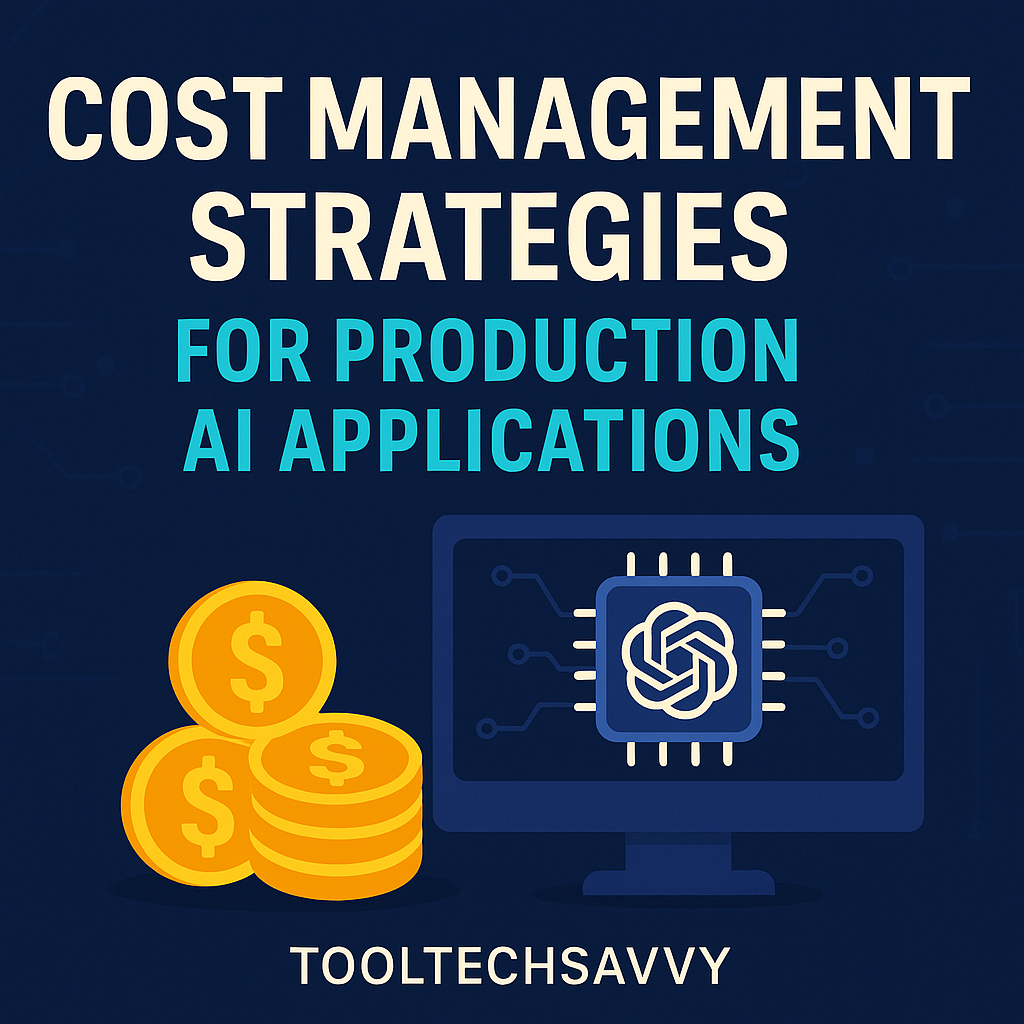
AI workloads aren’t like traditional applications. They depend on compute-heavy models, data pipelines, and APIs that bill per request. Without clear oversight, you could easily overspend on inference calls, storage, or model fine-tuning. Think of cost control as part of AI architecture design. In fact, understanding the basics of model efficiency can help you build […]

Scaling AI Efficiently: The Ultimate Guide to Production Cost Savings Read More »
Vector Databases Simplified: A Complete Guide to Chroma, Pinecone & Weaviate

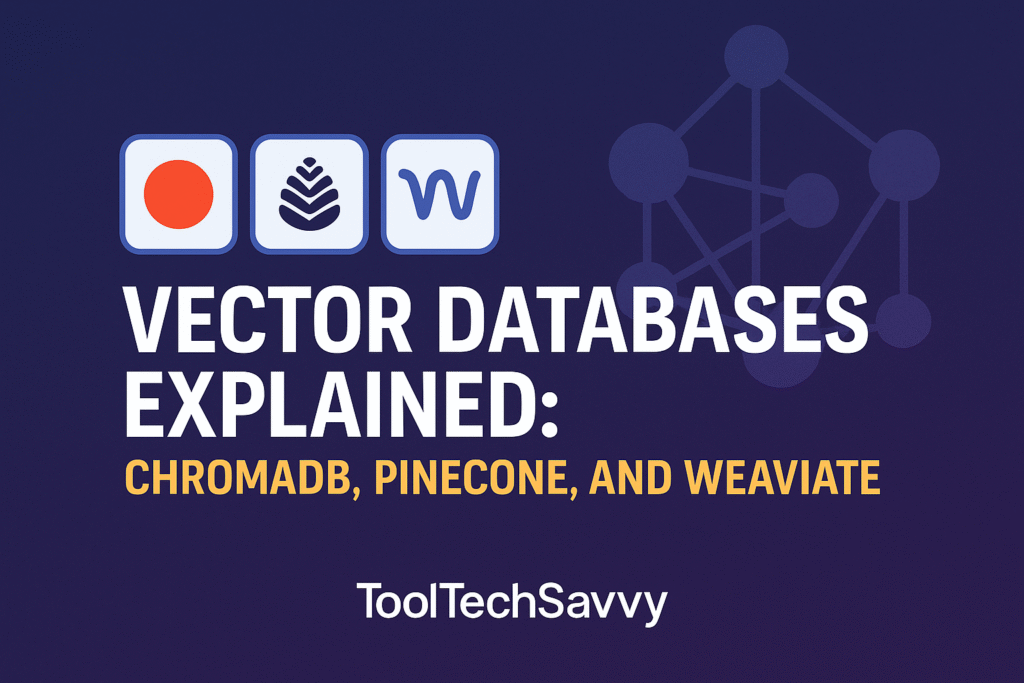
As AI models become smarter, so does the need for smarter data storage. Traditional databases weren’t built for AI queries — they store exact matches like names or numbers. But AI systems think in context, not exact keywords. That’s where vector databases come in. If you’ve read about Retrieval-Augmented Generation (RAG) or tried building a

Vector Databases Simplified: A Complete Guide to Chroma, Pinecone & Weaviate Read More »

How to Securely Store & Manage Your AI Service API Keys (101)

When working with AI tools or automation platforms like ChatGPT, Zapier, or Replit, you’ll often encounter API keys. These small strings of text act as digital passports—granting you access to AI services and cloud platforms. However, if handled carelessly, API keys can become a major security risk. Let’s break down what they are, how they

How to Securely Store & Manage Your AI Service API Keys (101) Read More »

Are You Afraid of AI? Here’s How to Turn Fear into Career Curiosity

For many people, the rise of AI feels like standing at the edge of something vast and unknown.Will it replace jobs? Is it too complicated to learn? What if I get left behind? These are valid questions — and you’re not alone. But what if instead of fear, we approached AI with curiosity?Because here’s the

Are You Afraid of AI? Here’s How to Turn Fear into Career Curiosity Read More »

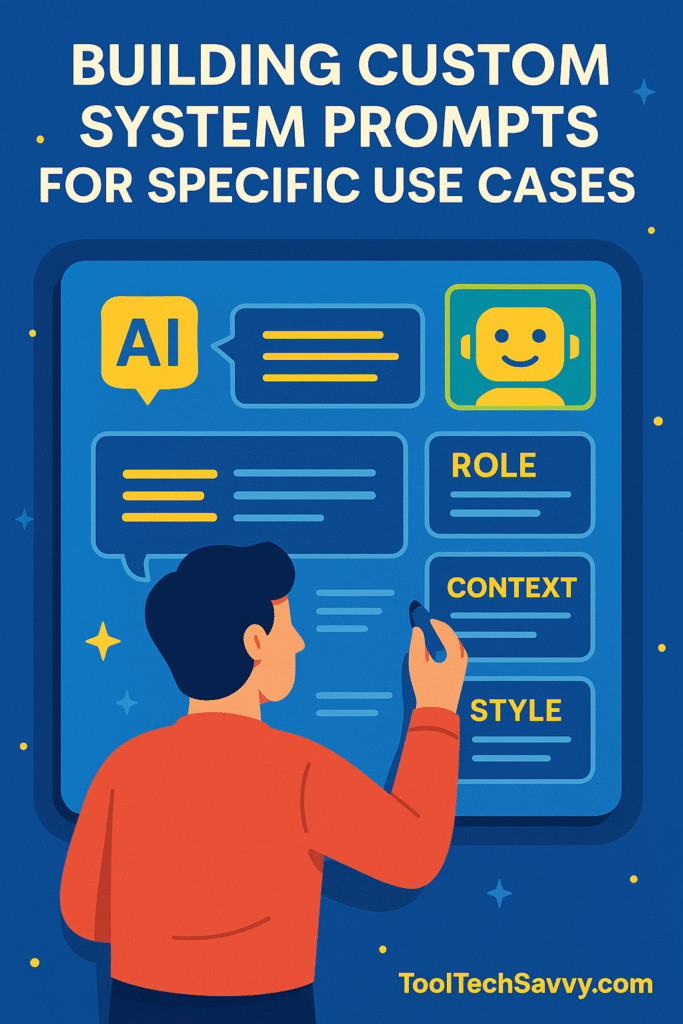
From Generic to Expert: How to Build Custom System Prompts for Precision AI

Most people focus on the user prompts — the instructions they type into ChatGPT, Claude, or Gemini.But behind every great AI app or agent is something even more powerful: a well-crafted system prompt. System prompts are the invisible guideposts that shape how your AI “thinks,” responds, and behaves.Whether you’re building a personal writing assistant (see

From Generic to Expert: How to Build Custom System Prompts for Precision AI Read More »

Creating Your Own AI Writing Assistant: A Complete Tutorial

AI writing assistants are no longer just futuristic tools — they’re everyday productivity boosters.From editing blog drafts to generating content ideas, AI can streamline nearly every part of your writing process. But instead of relying solely on third-party apps, you can build your own AI writing assistant tailored to your workflow — and the best

Creating Your Own AI Writing Assistant: A Complete Tutorial Read More »

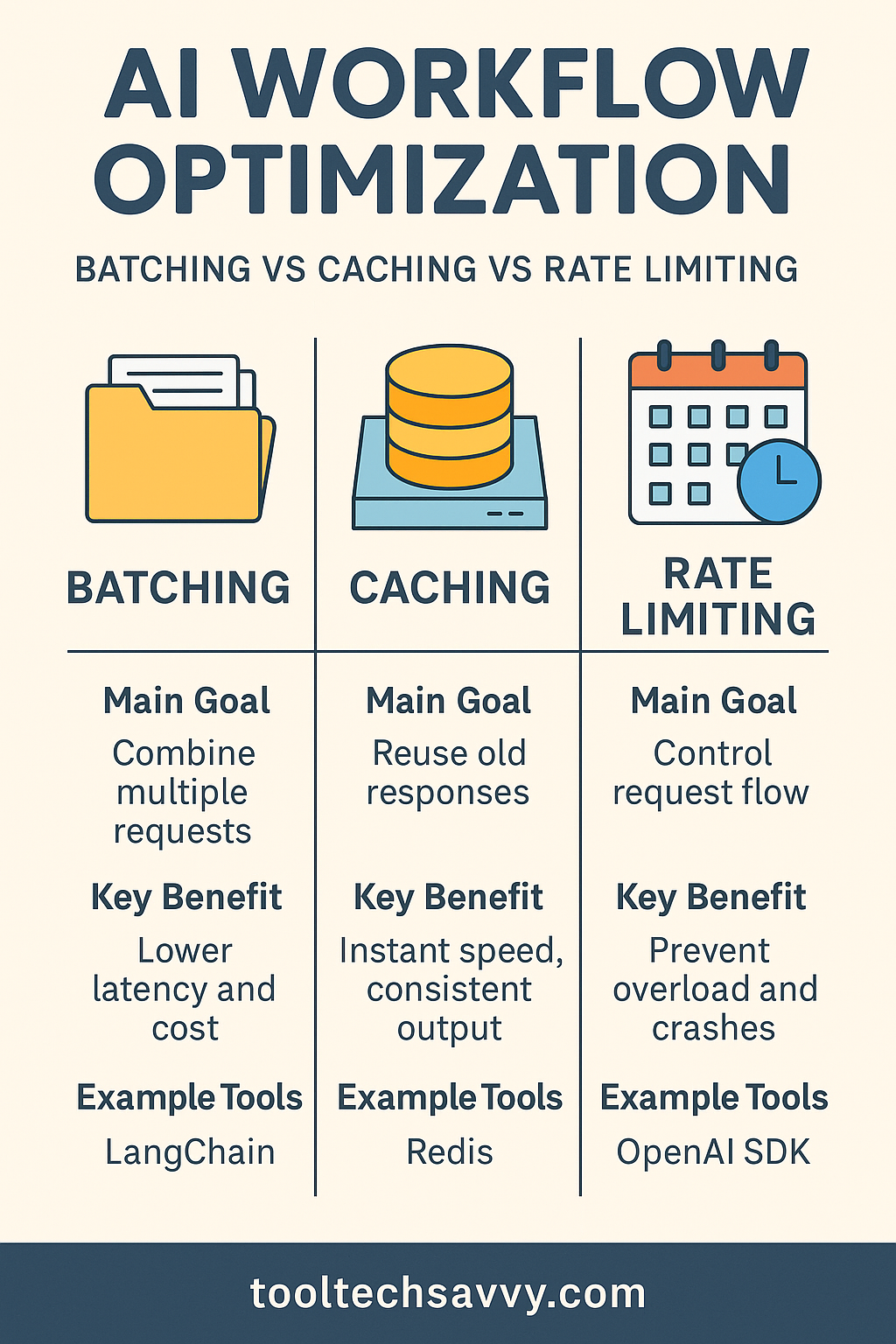
Optimizing AI Workflows: Batching, Caching, and Rate Limiting

If you’ve built anything with AI — whether it’s a chatbot, data analyzer, or automation — you’ve probably noticed one big challenge: efficiency. Every API call, model query, and data transfer adds up. The result? Higher latency, unnecessary costs, and slower user experiences. That’s where batching, caching, and rate limiting come in.These three techniques form

Optimizing AI Workflows: Batching, Caching, and Rate Limiting Read More »

The Future is Hybrid: Everything You Need to Know About Multi-Modal AI

AI isn’t just about words anymore.From generating art to understanding charts or even watching videos, multi-modal AI is reshaping how we interact with technology. Unlike text-only models like early GPT versions, multi-modal models (like GPT-4 Turbo, Gemini and Claude Sonnet) can process and combine multiple data types — text, images, audio, and even video —

The Future is Hybrid: Everything You Need to Know About Multi-Modal AI Read More »

Token Limits Demystified: How to Fit More Data into Your LLM Prompts

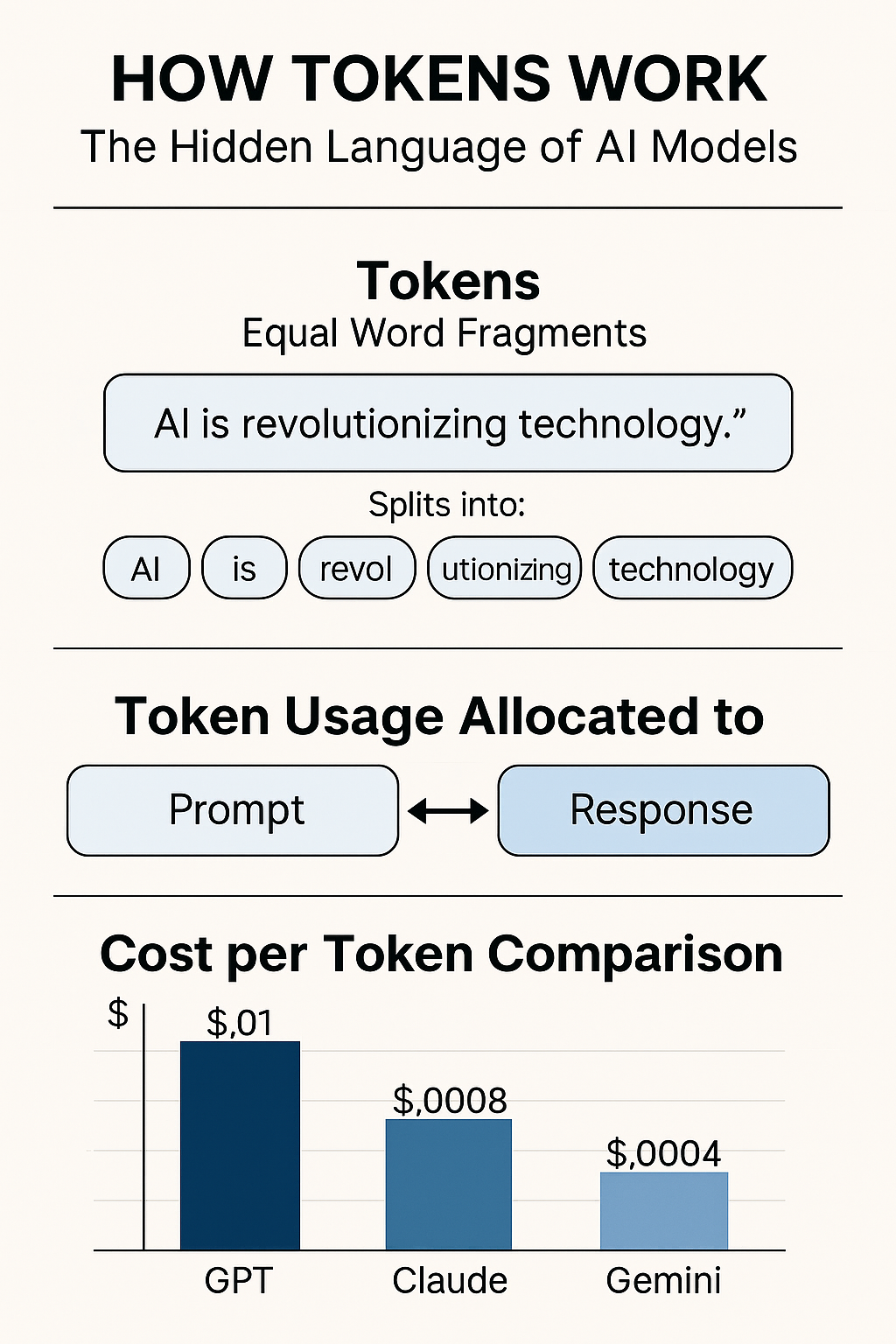
Ever wondered why ChatGPT or Claude sometimes cuts off your response, forgets context, or gives vague answers?It’s not magic — it’s tokens. In simple terms, tokens are the building blocks of your AI conversation.Understanding how they work can help you write better prompts, save costs, and get smarter, more focused outputs. Before we dive in,

Token Limits Demystified: How to Fit More Data into Your LLM Prompts Read More »