AI Tools

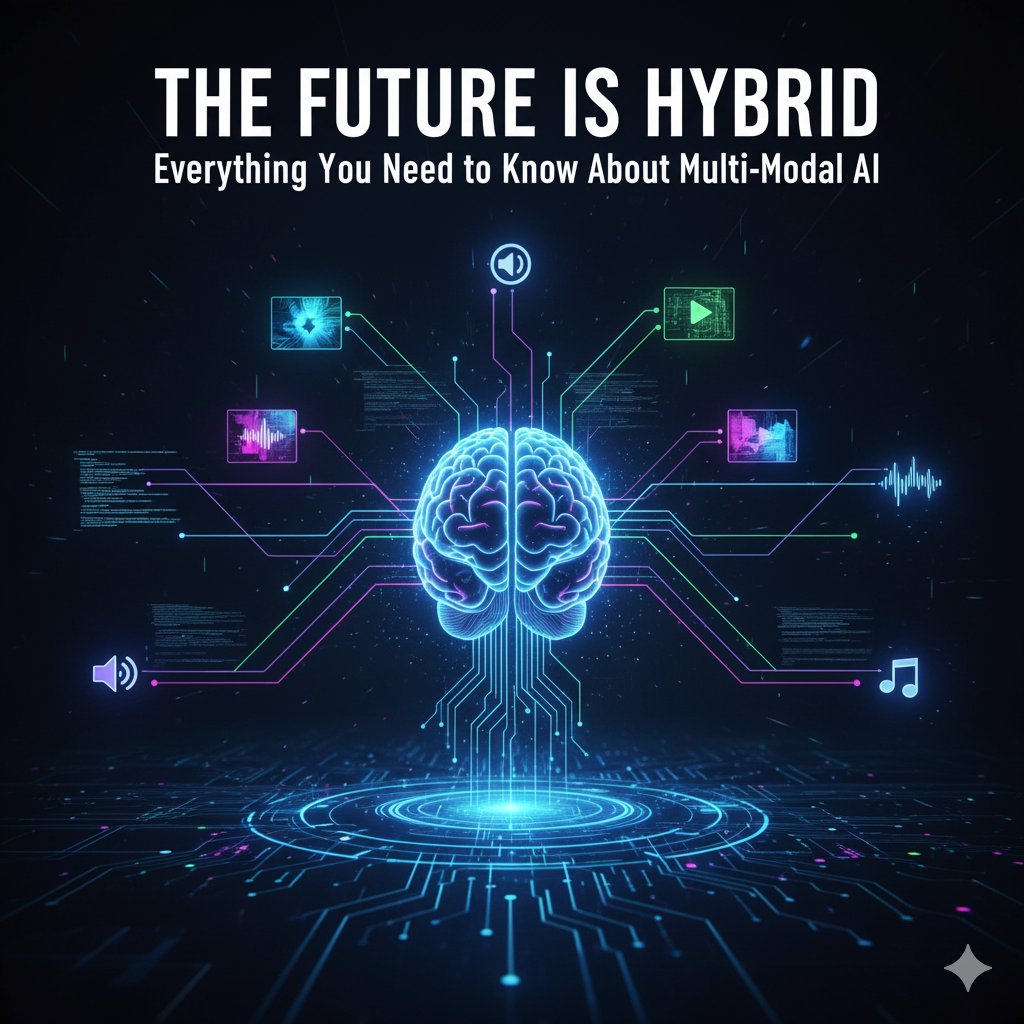
The Future is Hybrid: Everything You Need to Know About Multi-Modal AI

AI isn’t just about words anymore.From generating art to understanding charts or even watching videos, multi-modal AI is reshaping how we interact with technology. Unlike text-only models like early GPT versions, multi-modal models (like GPT-4 Turbo, Gemini and Claude Sonnet) can process and combine multiple data types — text, images, audio, and even video — […]

The Future is Hybrid: Everything You Need to Know About Multi-Modal AI Read More »

Token Limits Demystified: How to Fit More Data into Your LLM Prompts

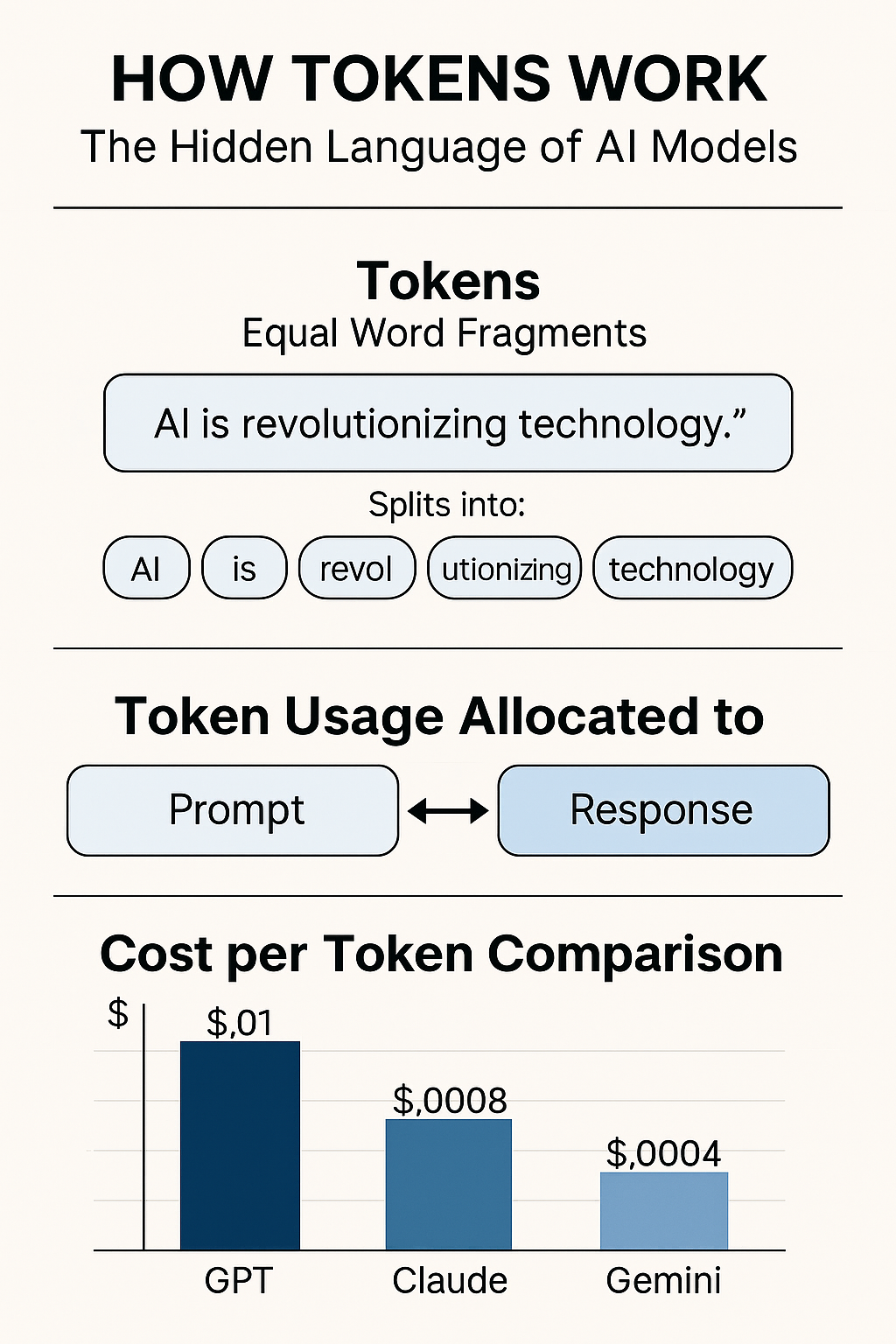
Ever wondered why ChatGPT or Claude sometimes cuts off your response, forgets context, or gives vague answers?It’s not magic — it’s tokens. In simple terms, tokens are the building blocks of your AI conversation.Understanding how they work can help you write better prompts, save costs, and get smarter, more focused outputs. Before we dive in,

Token Limits Demystified: How to Fit More Data into Your LLM Prompts Read More »

The Ultimate VS Code Setup for AI & Data Science in 2025

If you’re building, fine-tuning, or experimenting with AI models, Visual Studio Code (VS Code) is more than just a code editor — it’s your AI development cockpit. But what truly unlocks its potential are extensions — small add-ons that automate workflows, integrate with tools like OpenAI and LangChain, and help you code smarter, not harder.

The Ultimate VS Code Setup for AI & Data Science in 2025 Read More »

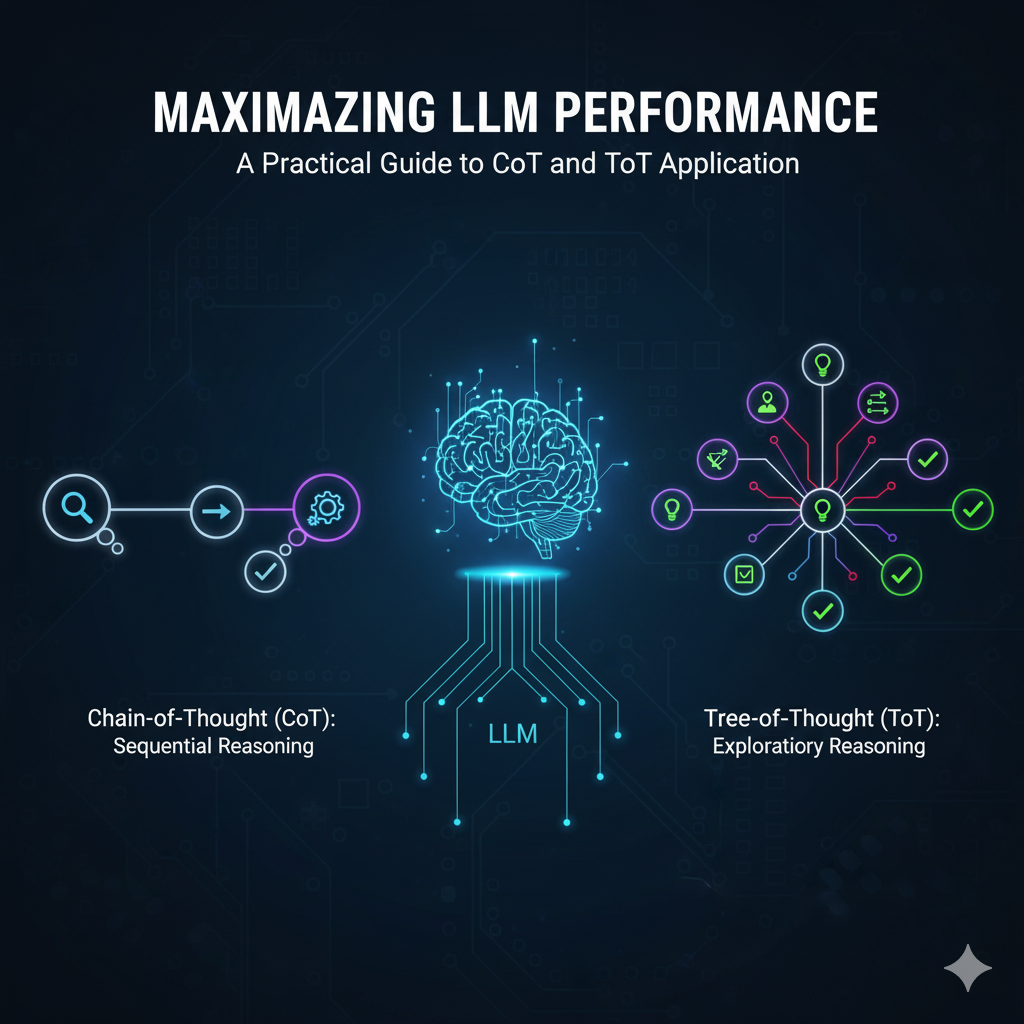
Maximizing LLM Performance: A Practical Guide to CoT and ToT Application

Prompting isn’t just about what you ask AI—it’s about how you think with it. As large language models (LLMs) like GPT-5, Claude Sonnet 4, and Gemini 2.5 evolve, prompting strategies are becoming the difference between average results and AI-level mastery. Two of the most powerful frameworks are Chain-of-Thought (CoT) and Tree-of-Thought (ToT). Both help AIs

Maximizing LLM Performance: A Practical Guide to CoT and ToT Application Read More »

How to Code Your Own AI Chatbot with Streamlit and GPT-4

If you’ve ever wanted to create your own AI chatbot—personalized to your brand, data, or workflow—good news: it’s easier than you think. With Streamlit (a simple Python web app framework) and OpenAI’s API, you can build a custom chatbot in under an hour—no advanced coding required. Think of this as your digital assistant, customized by

How to Code Your Own AI Chatbot with Streamlit and GPT-4 Read More »

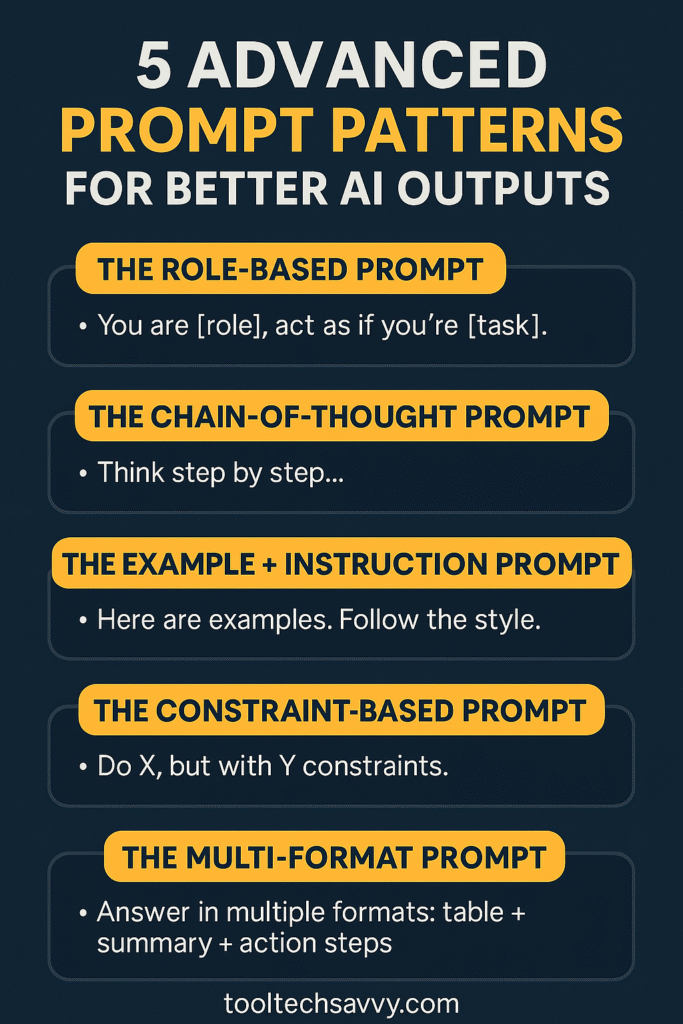
5 Advanced Prompt Patterns for Better AI Outputs

You’ve probably experienced this frustration: you ask an AI a seemingly simple question, and you get a response that’s vague, generic, or completely misses the mark. Meanwhile, you see others creating amazing content, solving complex problems, and getting incredibly precise results from the same AI tools. What’s their secret? It’s not about using different AI

5 Advanced Prompt Patterns for Better AI Outputs Read More »

The Ultimate Guide to LLM Data Integration (RAG vs. Fine-tuning)

Everywhere you look, businesses and creators are asking the same question: How do I make AI work with my own data? Two popular approaches dominate the conversation: Fine-tuning and Retrieval-Augmented Generation (RAG). But which one should you use? In this post, we’ll break it down in plain English—using analogies, comparisons, and real-world examples—so you can

The Ultimate Guide to LLM Data Integration (RAG vs. Fine-tuning) Read More »

Introduction to LangChain Agents: Building Your First AI Workflow

AI models like GPT, Claude, or Gemini are powerful, but they don’t automatically know how to act across tasks. That’s where LangChain Agents come in. Think of an AI model as an engine—fast and powerful, but it needs a driver and instructions. An agent is that driver, deciding: This makes LangChain Agents a practical way

Introduction to LangChain Agents: Building Your First AI Workflow Read More »

Ollama vs. LM Studio: Which is Best for Local LLMs?

Running AI models locally has become increasingly popular, especially as privacy concerns and data security take center stage. Consequently, developers and AI enthusiasts are seeking reliable solutions for deploying large language models (LLMs) on their own hardware. Two standout platforms have emerged as leaders in this space: Ollama and LM Studio. In this comprehensive comparison,

Ollama vs. LM Studio: Which is Best for Local LLMs? Read More »