Must Read

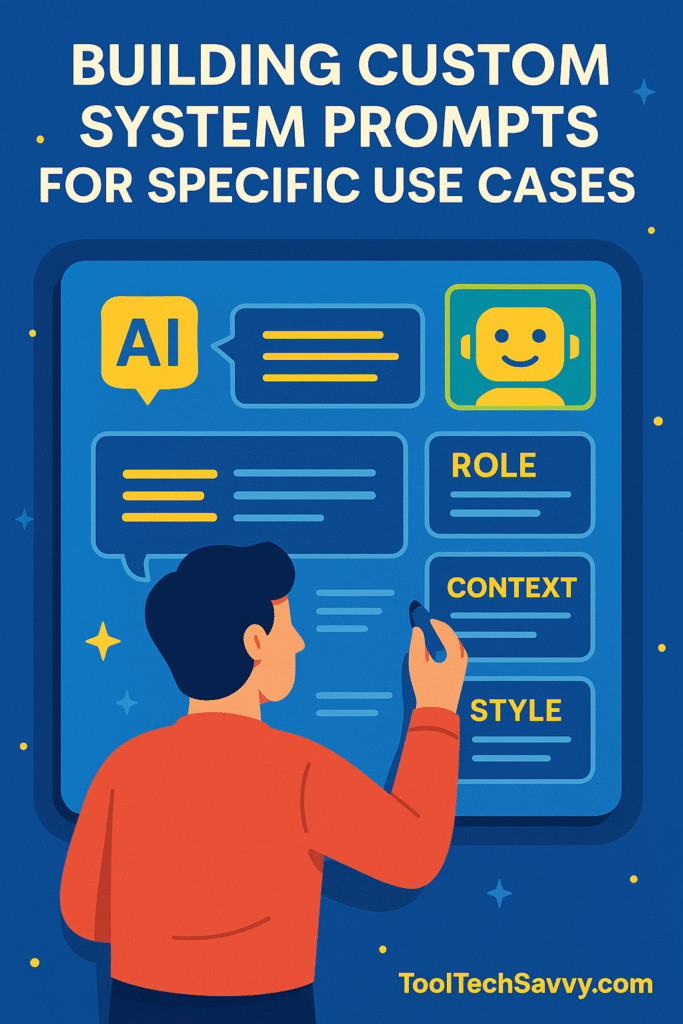
From Generic to Expert: How to Build Custom System Prompts for Precision AI

Most people focus on the user prompts — the instructions they type into ChatGPT, Claude, or Gemini.But behind every great AI app or agent is something even more powerful: a well-crafted system prompt. System prompts are the invisible guideposts that shape how your AI “thinks,” responds, and behaves.Whether you’re building a personal writing assistant (see […]

From Generic to Expert: How to Build Custom System Prompts for Precision AI Read More »

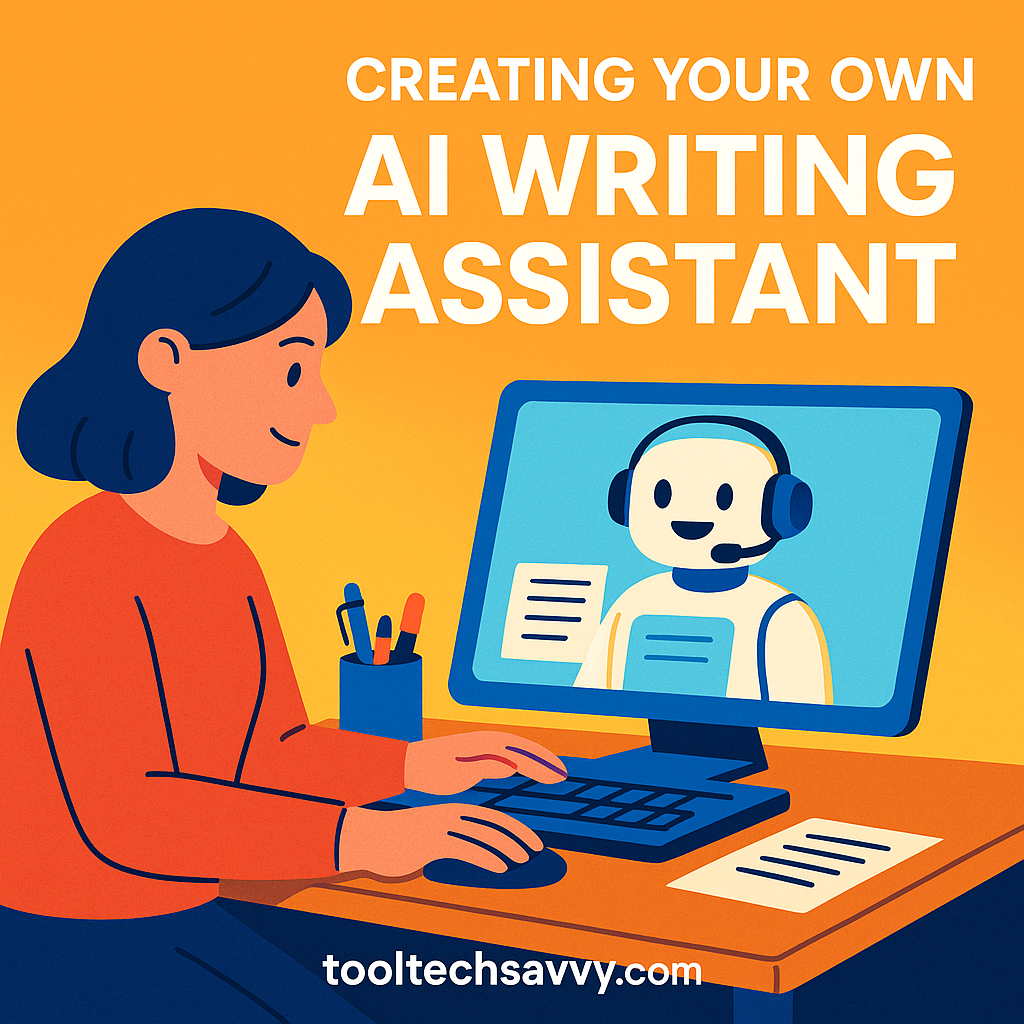
Creating Your Own AI Writing Assistant: A Complete Tutorial

AI writing assistants are no longer just futuristic tools — they’re everyday productivity boosters.From editing blog drafts to generating content ideas, AI can streamline nearly every part of your writing process. But instead of relying solely on third-party apps, you can build your own AI writing assistant tailored to your workflow — and the best

Creating Your Own AI Writing Assistant: A Complete Tutorial Read More »

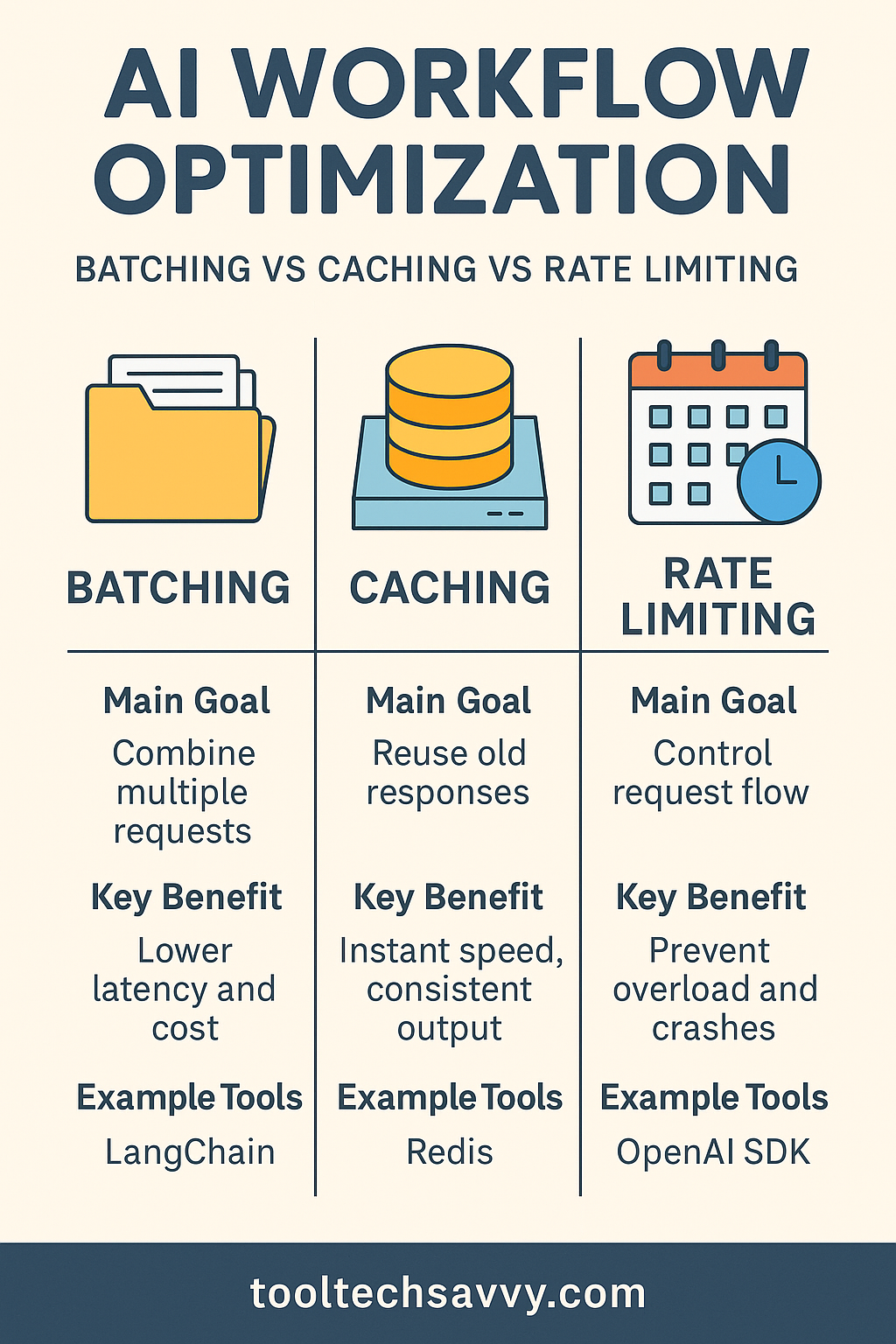
Optimizing AI Workflows: Batching, Caching, and Rate Limiting

If you’ve built anything with AI — whether it’s a chatbot, data analyzer, or automation — you’ve probably noticed one big challenge: efficiency. Every API call, model query, and data transfer adds up. The result? Higher latency, unnecessary costs, and slower user experiences. That’s where batching, caching, and rate limiting come in.These three techniques form

Optimizing AI Workflows: Batching, Caching, and Rate Limiting Read More »

The Future is Hybrid: Everything You Need to Know About Multi-Modal AI

AI isn’t just about words anymore.From generating art to understanding charts or even watching videos, multi-modal AI is reshaping how we interact with technology. Unlike text-only models like early GPT versions, multi-modal models (like GPT-4 Turbo, Gemini and Claude Sonnet) can process and combine multiple data types — text, images, audio, and even video —

The Future is Hybrid: Everything You Need to Know About Multi-Modal AI Read More »

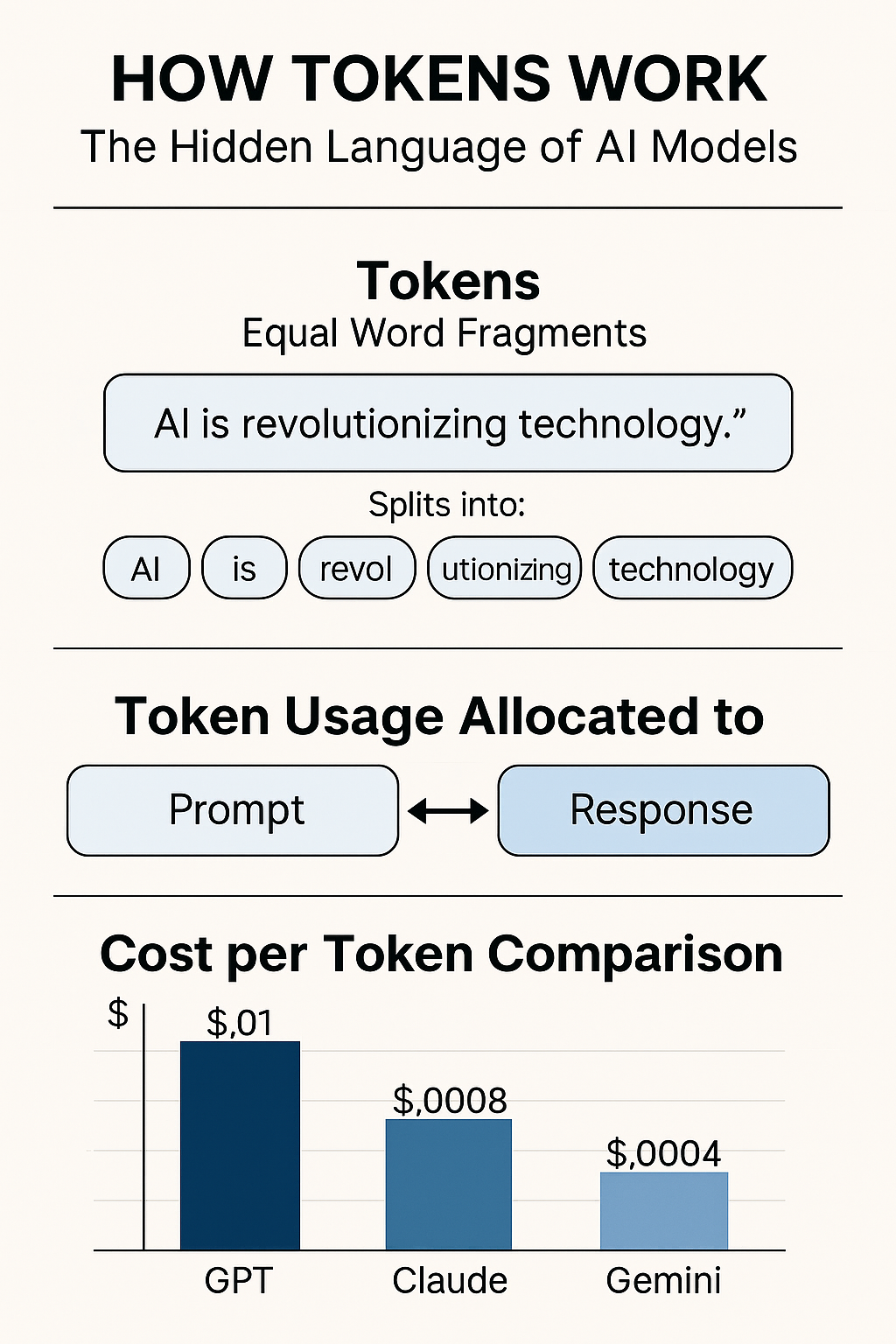
Token Limits Demystified: How to Fit More Data into Your LLM Prompts

Ever wondered why ChatGPT or Claude sometimes cuts off your response, forgets context, or gives vague answers?It’s not magic — it’s tokens. In simple terms, tokens are the building blocks of your AI conversation.Understanding how they work can help you write better prompts, save costs, and get smarter, more focused outputs. Before we dive in,

Token Limits Demystified: How to Fit More Data into Your LLM Prompts Read More »

The Ultimate VS Code Setup for AI & Data Science in 2025

If you’re building, fine-tuning, or experimenting with AI models, Visual Studio Code (VS Code) is more than just a code editor — it’s your AI development cockpit. But what truly unlocks its potential are extensions — small add-ons that automate workflows, integrate with tools like OpenAI and LangChain, and help you code smarter, not harder.

The Ultimate VS Code Setup for AI & Data Science in 2025 Read More »

Maximizing LLM Performance: A Practical Guide to CoT and ToT Application

Prompting isn’t just about what you ask AI—it’s about how you think with it. As large language models (LLMs) like GPT-5, Claude Sonnet 4, and Gemini 2.5 evolve, prompting strategies are becoming the difference between average results and AI-level mastery. Two of the most powerful frameworks are Chain-of-Thought (CoT) and Tree-of-Thought (ToT). Both help AIs

Maximizing LLM Performance: A Practical Guide to CoT and ToT Application Read More »

How to Code Your Own AI Chatbot with Streamlit and GPT-4

If you’ve ever wanted to create your own AI chatbot—personalized to your brand, data, or workflow—good news: it’s easier than you think. With Streamlit (a simple Python web app framework) and OpenAI’s API, you can build a custom chatbot in under an hour—no advanced coding required. Think of this as your digital assistant, customized by

How to Code Your Own AI Chatbot with Streamlit and GPT-4 Read More »

5 Advanced Prompt Patterns for Better AI Outputs

You’ve probably experienced this frustration: you ask an AI a seemingly simple question, and you get a response that’s vague, generic, or completely misses the mark. Meanwhile, you see others creating amazing content, solving complex problems, and getting incredibly precise results from the same AI tools. What’s their secret? It’s not about using different AI

5 Advanced Prompt Patterns for Better AI Outputs Read More »