Must Read

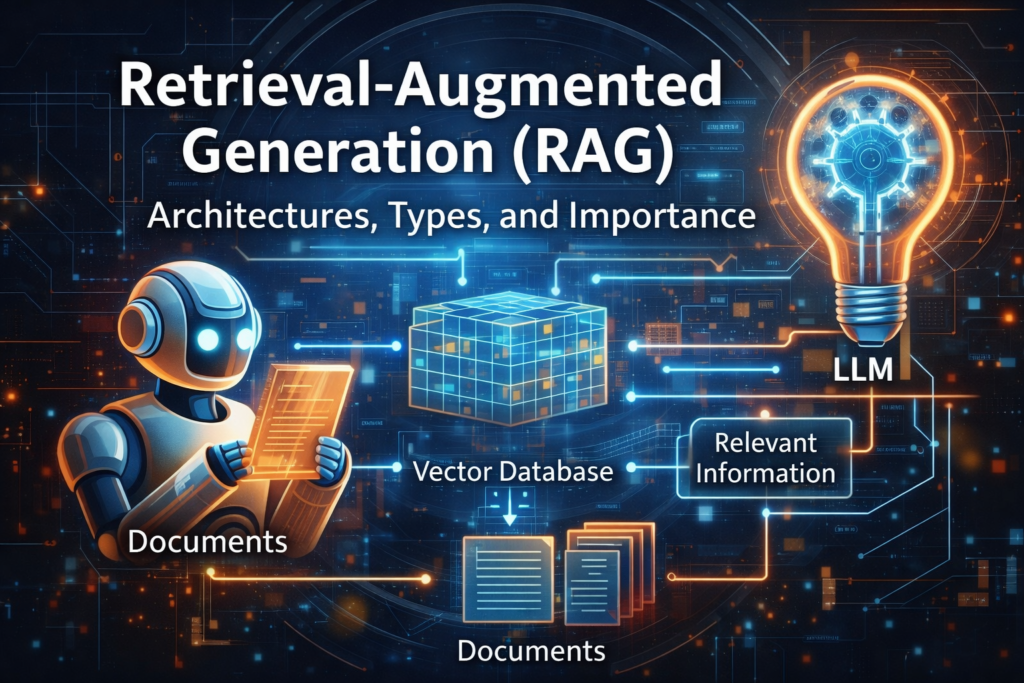
The Complete Guide to Retrieval-Augmented Generation (RAG) in AI

Large Language Models (LLMs) like ChatGPT feel intelligent, fluent, and confident. However, beneath the surface, they all share the same weakness: they don’t truly “know” anything beyond their training data. This limitation leads to: As explained in👉 https://tooltechsavvy.com/understanding-ai-hallucinations-why-ai-makes-things-up/this isn’t a bug — it’s a structural limitation. Retrieval-Augmented Generation (RAG) was created to solve this exact […]

The Complete Guide to Retrieval-Augmented Generation (RAG) in AI Read More »
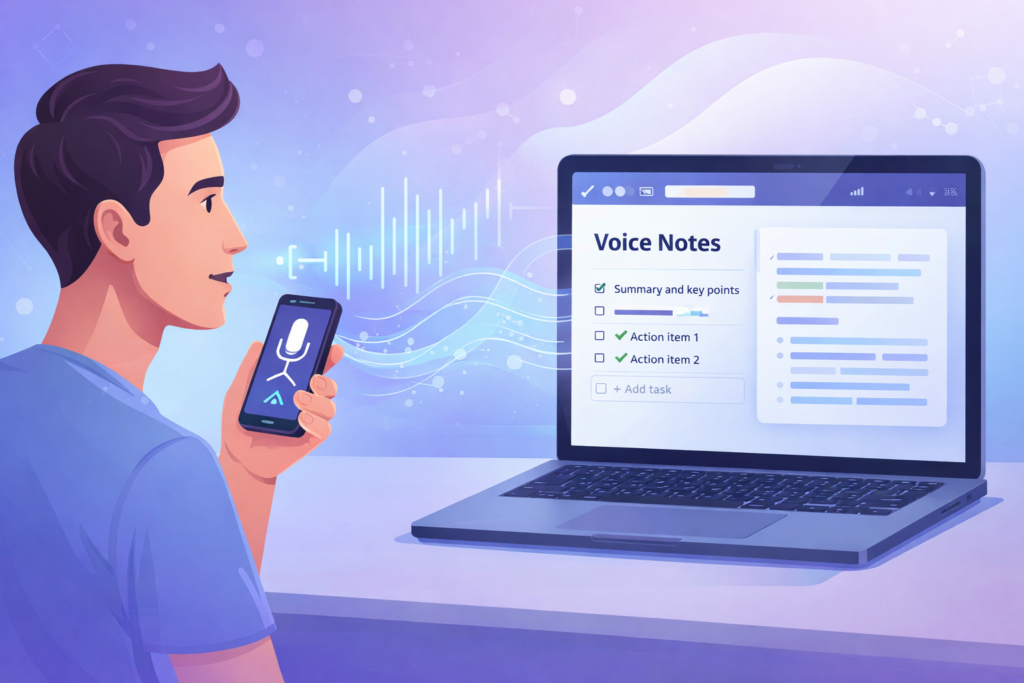
How to Create a Voice-to-Text Note-Taking Tool (No-Code, Step-by-Step)

Ideas don’t wait for keyboards. They arrive while you’re walking, driving, or switching between tasks. Unfortunately, most note-taking tools still expect you to type. The good news? You can create your own voice-to-text note-taking tool without writing a single line of code. Using modern AI tools and simple automation, you can speak your ideas and

How to Create a Voice-to-Text Note-Taking Tool (No-Code, Step-by-Step) Read More »

Edge AI vs Cloud AI: Why On-Device AI Is the Future

For years, artificial intelligence lived almost entirely in the cloud. Models were large, slow to access, and dependent on constant internet connectivity. However, that’s quickly changing. Edge AI—running AI models directly on devices like smartphones, Raspberry Pi boards, and IoT hardware—is becoming one of the most important shifts in modern computing. In this guide, we’ll

Edge AI vs Cloud AI: Why On-Device AI Is the Future Read More »

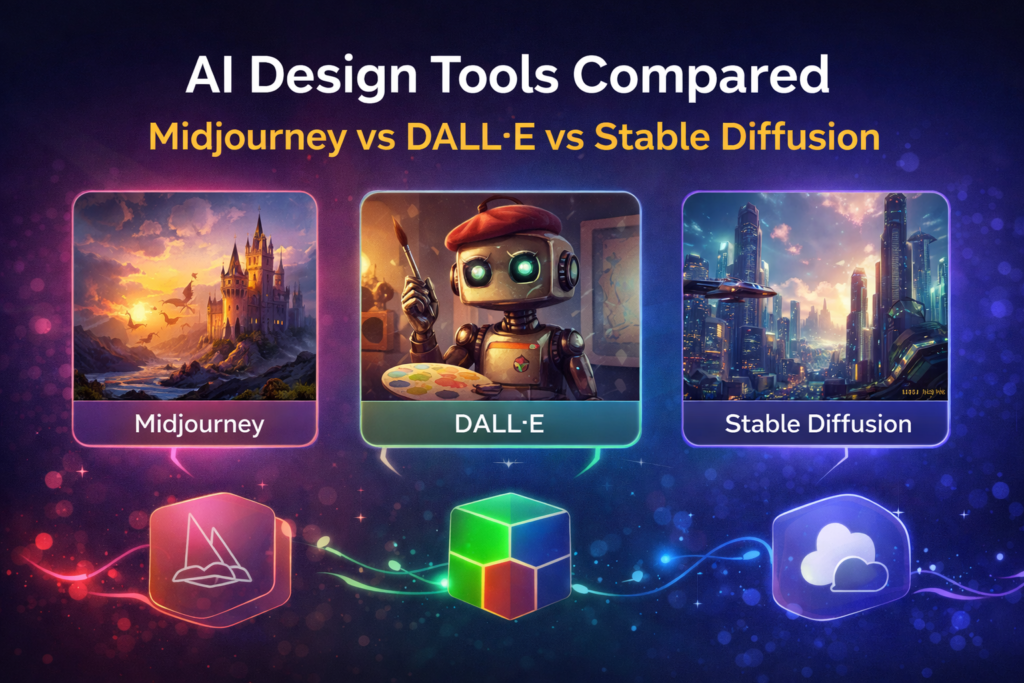
New to AI Art? Compare Midjourney, DALL·E, and Stable Diffusion

Artificial intelligence has completely reshaped the creative landscape. Today, anyone—from solo creators to startup teams—can generate stunning visuals using AI design tools in minutes. However, with so many options available, choosing the right tool can feel overwhelming. That’s why this guide breaks down Midjourney, DALL·E, and Stable Diffusion, compares their strengths, and explores practical alternatives—all

New to AI Art? Compare Midjourney, DALL·E, and Stable Diffusion Read More »

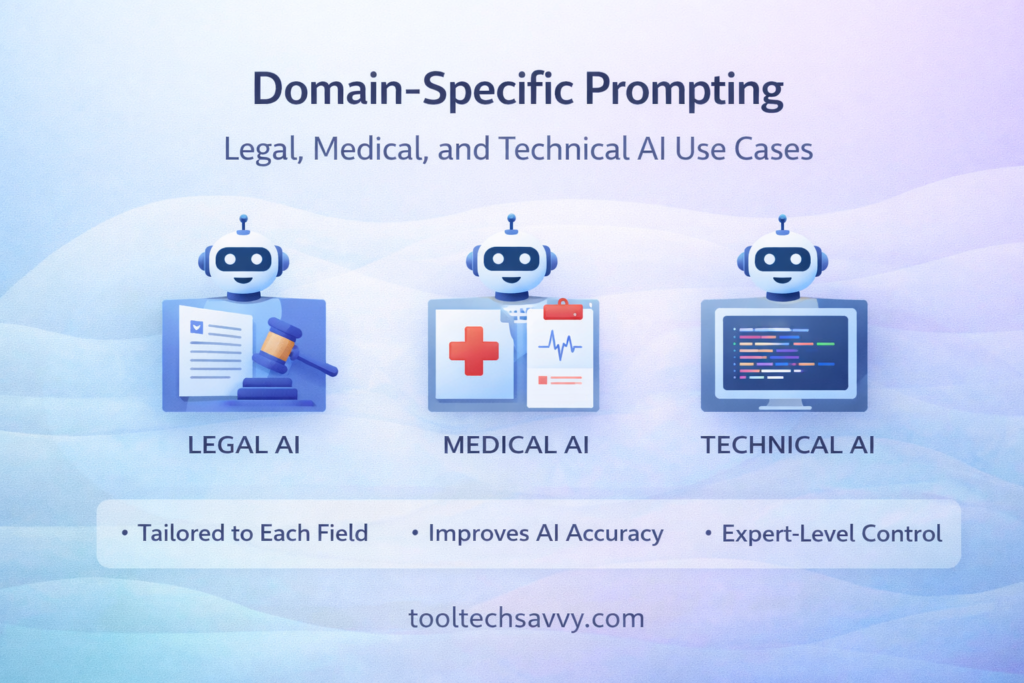
What Is Domain-Specific Prompting? Legal, Medical & Tech Examples

Generic AI prompts can be surprisingly powerful—but in high-stakes or specialized domains, “good enough” is rarely good enough. Legal analysis, medical insights, and technical problem-solving demand precision, structure, and context that generic prompts simply can’t deliver. That’s where domain-specific prompting comes in. In this guide, we’ll explore how domain-specific prompting works, why it matters, and

What Is Domain-Specific Prompting? Legal, Medical & Tech Examples Read More »

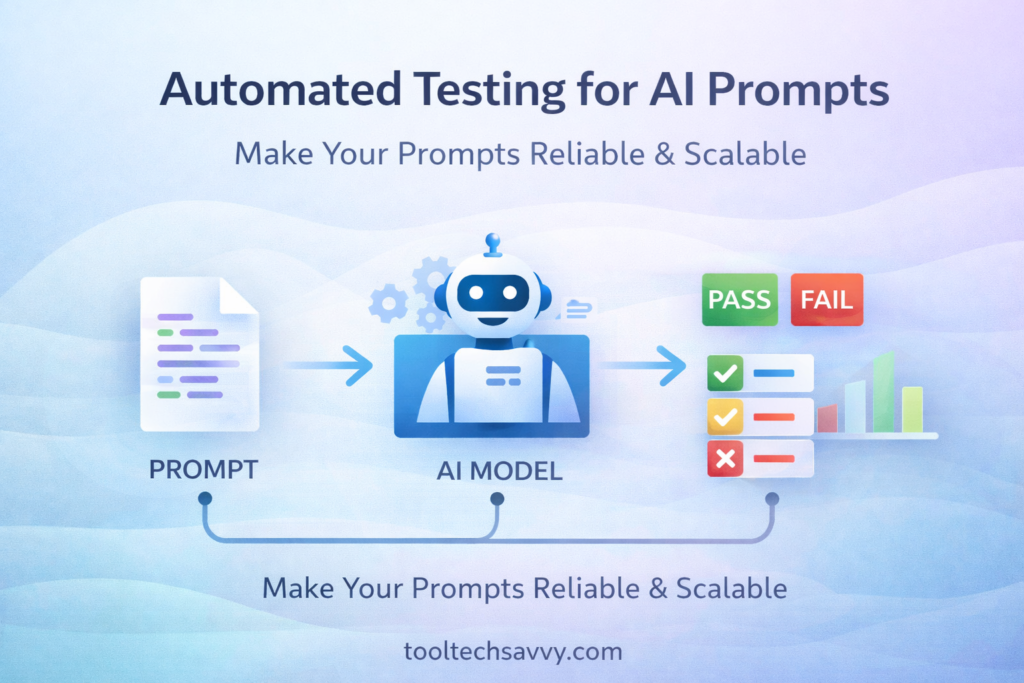
How to Set Up Automated Testing for Your AI Prompts

AI prompts are no longer just experiments—they’re becoming core infrastructure for products, workflows, and automation systems. Yet, while developers rigorously test code, prompts are often shipped without any structured testing at all. That gap creates risk. In this guide, we’ll break down how to set up automated testing for your AI prompts, why it matters,

How to Set Up Automated Testing for Your AI Prompts Read More »

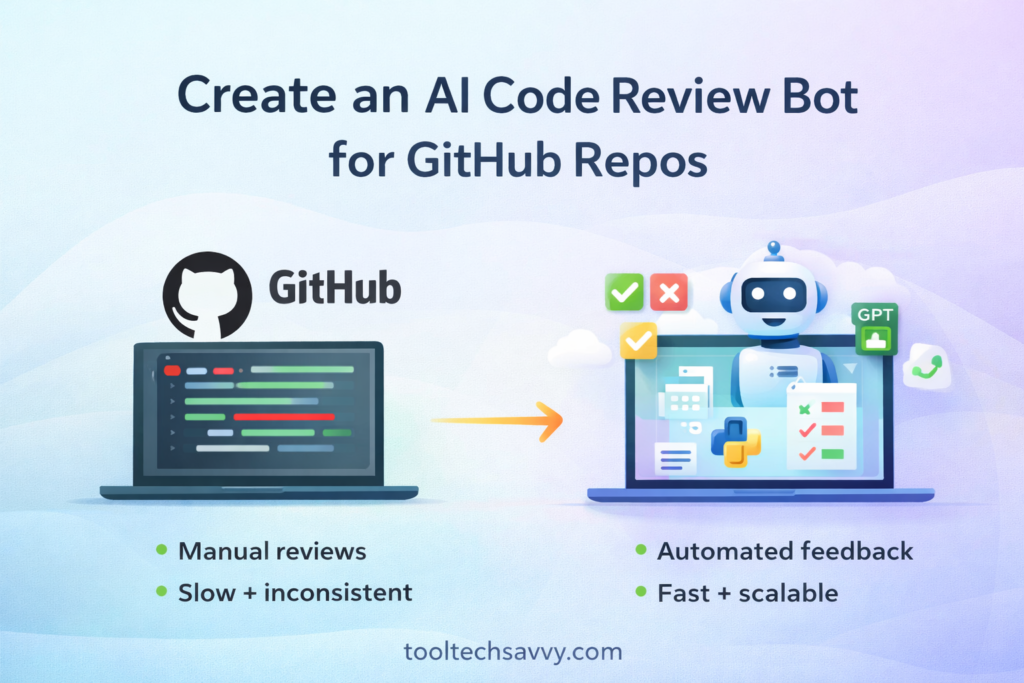
How AI Code Review Bots Work (And How to Build One)

Code reviews are essential—but they’re also time-consuming. As repositories grow and teams move faster, manual reviews often become bottlenecks. That’s exactly why AI-powered code review bots are becoming a must-have for modern development teams. In this guide, we’ll walk through how to create an AI code review bot for your GitHub repositories, what tools you

How AI Code Review Bots Work (And How to Build One) Read More »

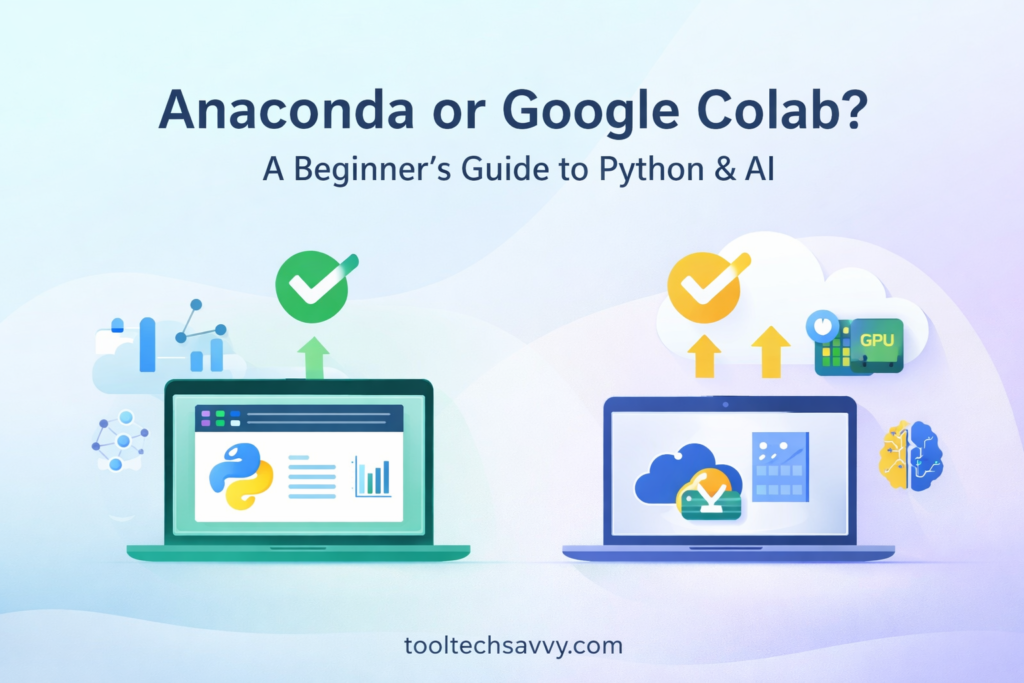
Google Colab vs Anaconda: A Complete Comparison for New Developers

If you’re starting your journey into Python, data science, or AI, chances are you’ve heard about Anaconda and Google Colab. At first glance, both seem to solve the same problem—running Python code easily. However, once you dig deeper, their use cases, strengths, and limitations become very different. In this guide, we’ll break down Anaconda vs

Google Colab vs Anaconda: A Complete Comparison for New Developers Read More »

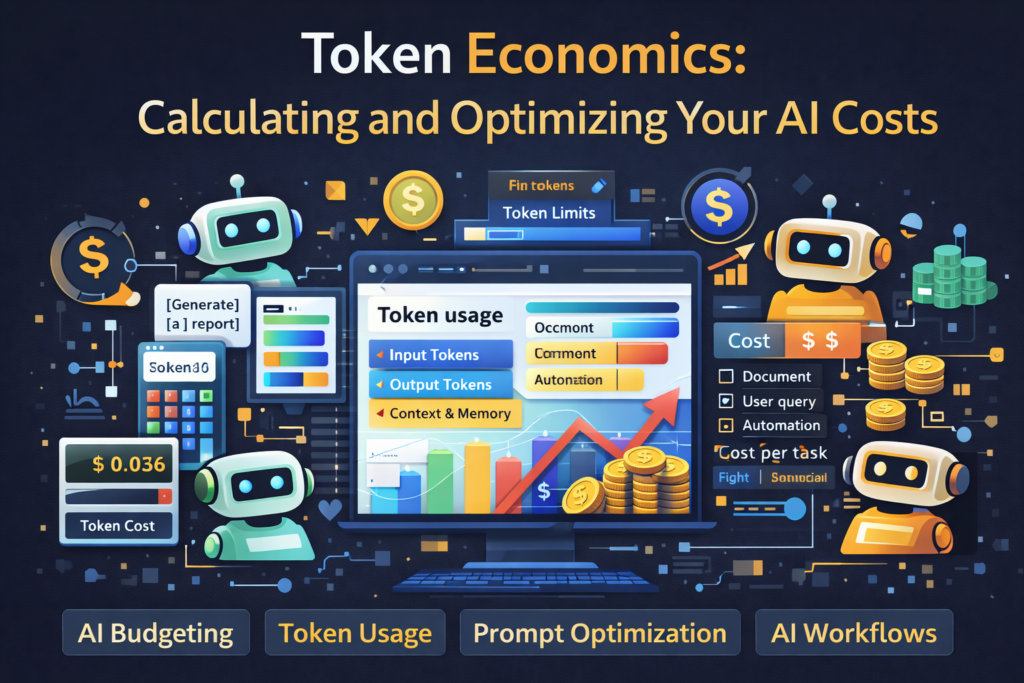
Token Economics: Calculating and Optimizing Your AI Costs

AI feels cheap—until it isn’t. Many teams enthusiastically adopt AI tools, only to discover unexpected bills a few weeks later. The culprit isn’t always the model itself. More often, it’s a lack of understanding of token economics—how AI systems actually price computation. In this guide, we’ll break down how token-based pricing works, how to calculate

Token Economics: Calculating and Optimizing Your AI Costs Read More »